
Cooking Wine vs Drinking Wine: What You Should Know
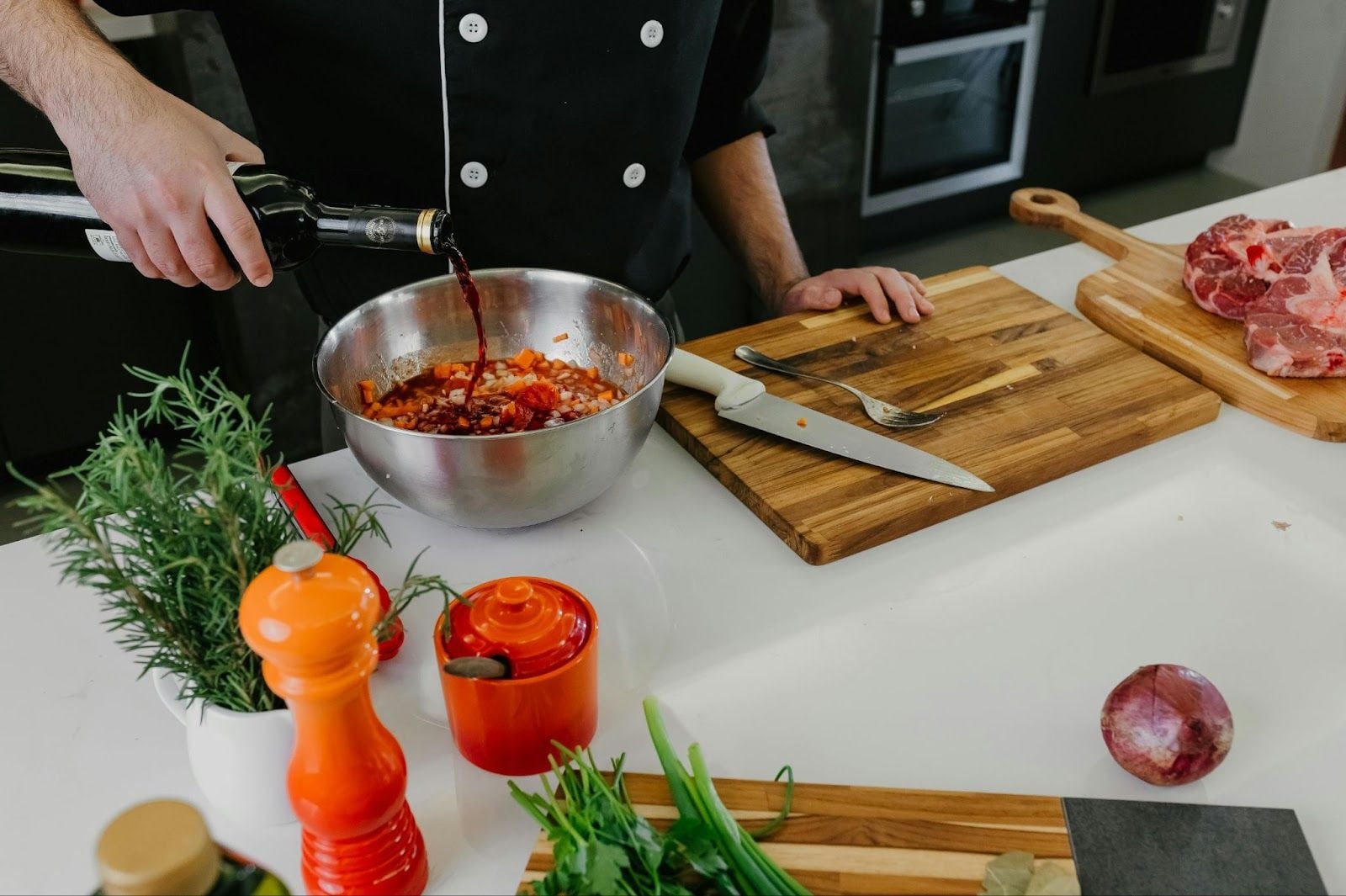
The cooking wine vs drinking wine debate comes up constantly at Davis Estates, usually when someone’s planning a special meal and wondering if they really need to open that nice bottle for their sauce. Here’s the truth we tell everyone: if you wouldn’t drink it, don’t cook with it. Those bottles labeled “cooking wine” sitting on grocery store shelves? They’re not doing your food any favors, and we’ll explain exactly why in a minute.
Understanding the difference between cooking wine and drinking wine matters more than most people realize. What you pour into your pan directly affects how your dish tastes. Bad wine creates bad flavor, and no amount of seasoning can fix that bitter, harsh taste that cooking wine leaves behind.
What Exactly Is Cooking Wine?
Those bottles labeled “cooking wine” are shelf-stable products loaded with salt and preservatives. They’re designed to sit in your pantry for months, which sounds convenient until you taste what they do to your food. The added salt throws off your seasoning, and the preservatives create harsh, chemical flavors that only worsen with concentration.
Is cooking wine the same as regular wine? Not even close. Real wine is made from grapes, yeast, and time. Cooking wine is a heavily processed product that happens to contain some wine along with ingredients you’d never want in your dinner. The salt content alone is enough to ruin most recipes, especially when you’re reducing sauces where those flavors concentrate.
Can You Cook with Drinking Wine?
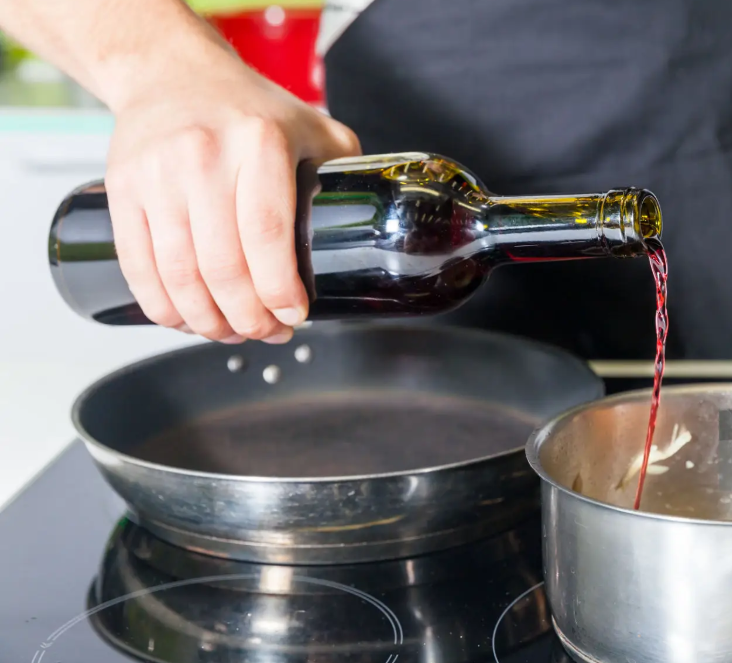
Absolutely, and you should. Can you cook while drinking wine? is really asking the wrong question. The real question is: should you cook with anything else? The answer is no. Regular table wine brings the same acidity, fruit character, and complexity to your cooking that makes it enjoyable to drink. When wine is reduced in cooking, those characteristics concentrate and deepen, creating rich, complex flavors.
Think about it logically: if a wine tastes harsh, bitter, or unpleasant in the glass, cooking doesn’t magically fix those problems. Heat actually intensifies flavors, so bad wine becomes worse wine. A decent bottle you’d happily pour for dinner creates sauces and braises that taste clean, balanced, and delicious.
Cooking Wine or Table Wine: Making the Right Choice
Always choose table wine. You don’t need to break the bank; a $10 to $15 bottle works beautifully for most recipes. The key is choosing wine that tastes good on its own. If you’re making a red wine reduction, pick a Cabernet or Merlot you’d enjoy drinking. For white wine sauces, grab a Chardonnay or Sauvignon Blanc that appeals to your palate.
Understanding how wine characteristics work with food helps you choose better cooking wines. A wine’s acidity, body, and fruit profile don’t disappear when you cook with it. They become part of your dish’s flavor foundation, so those characteristics matter just as much in the pan as they do in the glass.
Should You Use Wine for Cooking?
Yes, and here’s why it matters. Should you use wine for cooking comes down to respecting your ingredients and your efforts. If you’re spending time and money on good meat, fresh vegetables, and quality ingredients, why undermine everything with bad wine? Your braised short ribs deserve better than cooking wine, and your guests definitely deserve better.
That said, you don’t need to cook with the $50 bottle you’re saving for a special occasion. An everyday drinking wine works perfectly. In fact, that bottle you opened three days ago and didn’t finish? It’s ideal for cooking. The slight oxidation that makes it less appealing to drink doesn’t matter in cooking, and you’re using up wine that might otherwise go to waste.

Which Wines Work Best for Cooking
For red wine dishes like braises, reductions, and sauces, reach for Cabernet Sauvignon, Merlot, or Pinot Noir. Each brings different characteristics. Cabernet creates rich, bold sauces perfect for beef. Pinot Noir offers lighter, more delicate flavors ideal for dishes showcasing finesse over power. Merlot sits somewhere in between, offering versatility with various proteins.
White wine cooking typically calls for Chardonnay, Sauvignon Blanc, or Pinot Grigio. Chardonnay works beautifully in cream sauces and with chicken or seafood. Sauvignon Blanc brings bright acidity, perfect for lighter preparations. Pinot Grigio offers neutral, clean flavors that won’t compete with delicate ingredients.
Practical Tips for Cooking with Wine
Store opened wine in the fridge with the cork replaced. It’ll stay good for cooking for up to a week, even if it’s no longer ideal for drinking. This makes having wine ready for cooking easy and economical. You’re not opening a fresh bottle every time a recipe calls for half a cup.
When a recipe calls for wine, add it early in cooking to allow harsh alcohol flavors to cook off. The alcohol evaporates, leaving behind the wine’s essential characteristics, acidity, fruit notes, and complexity. This is especially important in sauces and braises where wine forms the flavor foundation.
Match your cooking wine to what you’re serving. If you’re making a dish with Napa Cabernet Sauvignon, cooking with Cabernet creates harmony between food and wine. The flavors echo each other beautifully, creating a more cohesive dining experience.
The Bottom Line
Skip the cooking wine aisle entirely. It’s a marketing gimmick that convinces people they need special wine for cooking when regular, drinkable wine works infinitely better. Your dishes will taste cleaner, more complex, and simply better when you cook with real wine.
Ready to explore more about wine and cooking? Check out our wine insights and recipes, where we share tips that make both cooking and wine enjoyment more rewarding. Let’s make every meal worth savoring.