
The Perfect Red Wine Reduction Sauce for Your Next Dinner
A good red wine reduction sauce can turn a simple dinner into something restaurant-worthy. We’ve taught countless guests at Davis Estates how to make this classic sauce, and the transformation is always amazing. People who thought fancy sauces required culinary school suddenly realize they can create deep, complex flavors in their own kitchens with just a few ingredients and a little patience. The best part? Once you master the basic technique, you can adapt it endlessly to match whatever you’re cooking.
The magic of homemade red wine reduction lies in concentration. You’re taking wine’s natural acidity and fruit flavors, reducing them down until they become rich and syrupy, then building layers with stock, butter, and herbs. It sounds fancy, but honestly, it’s one of the most forgiving sauces you can make.
The Basic Red Wine Reduction Recipe
Start with about two cups of red wine in a wide sauté pan. Add shallots, garlic, fresh thyme, and maybe a bay leaf. Bring to a boil, then reduce the heat to a steady simmer. Here’s where patience matters: let it reduce by about two-thirds, which takes 15 to 20 minutes. You’re concentrating flavors, so don’t rush this step.
Once your wine has reduced significantly, add beef or veal stock (about one cup) and continue reducing until the sauce coats the back of a spoon. Strain out the solids, return the liquid to the pan, and finish by whisking in cold butter, one tablespoon at a time. This creates that glossy, restaurant-quality finish that makes the sauce cling beautifully to meat.

Which Wine to Use
This question comes up constantly, and the answer is simpler than people think: use wine you enjoy drinking. It doesn’t need to be expensive, but it should taste good on its own. Cabernet Sauvignon, Merlot, or Pinot Noir all work beautifully, each bringing slightly different characteristics to your classic red wine sauce.
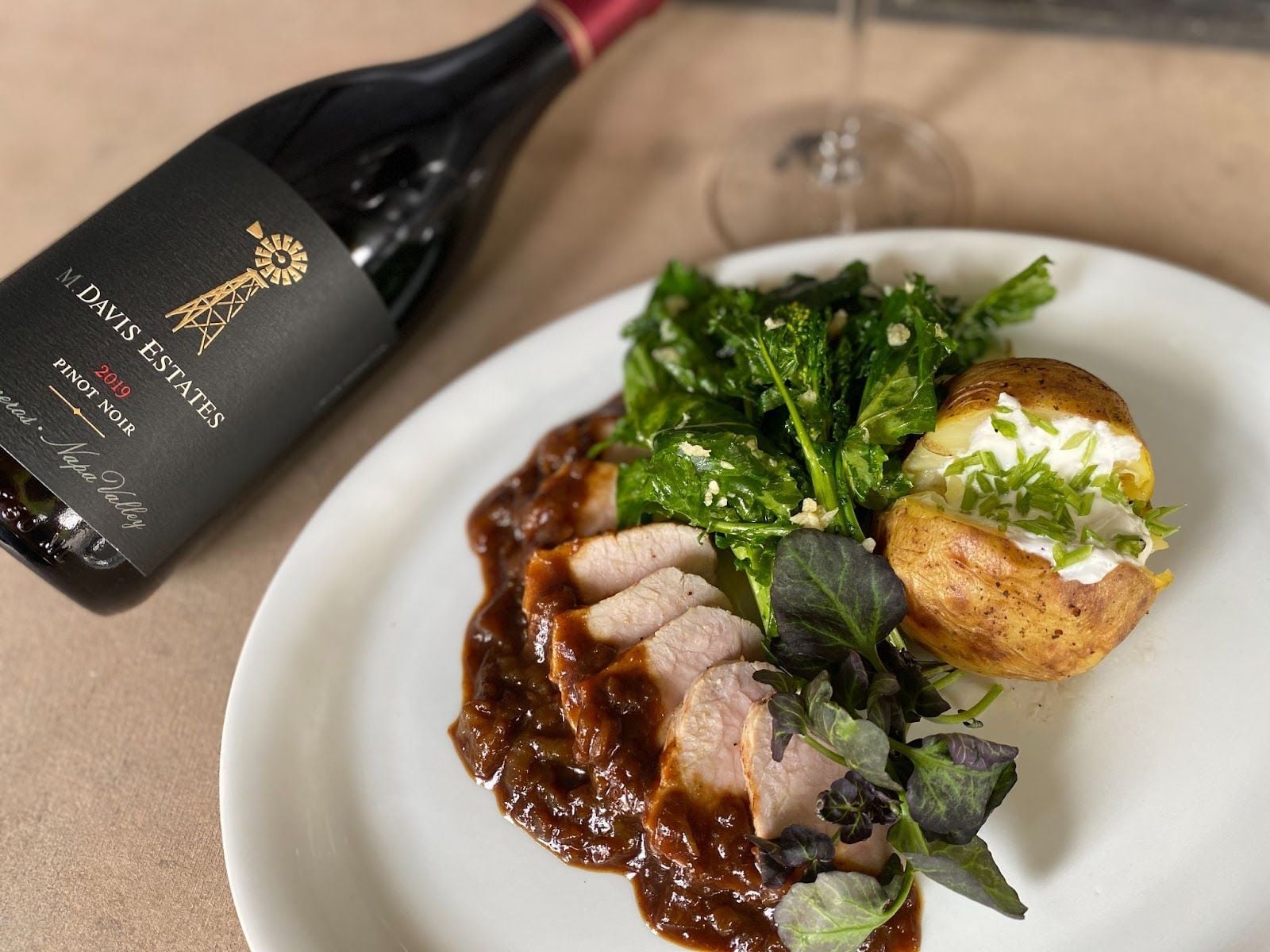
Fuller-bodied wines like Cabernet create richer, more intense sauces perfect for beef. Lighter reds like Pinot Noir produce more delicate sauces that work wonderfully with duck or mushrooms. For versatile proteins like pork, red wine reductions create beautiful depth. Try it with preparations like pork tenderloin with caramelized shallot balsamic sauce, where wine-based sauces add sophistication to the dish. Understanding how wine characteristics affect food helps you choose which wine will create the sauce profile you’re after.
Red Wine Pan Sauce: The Quick Version
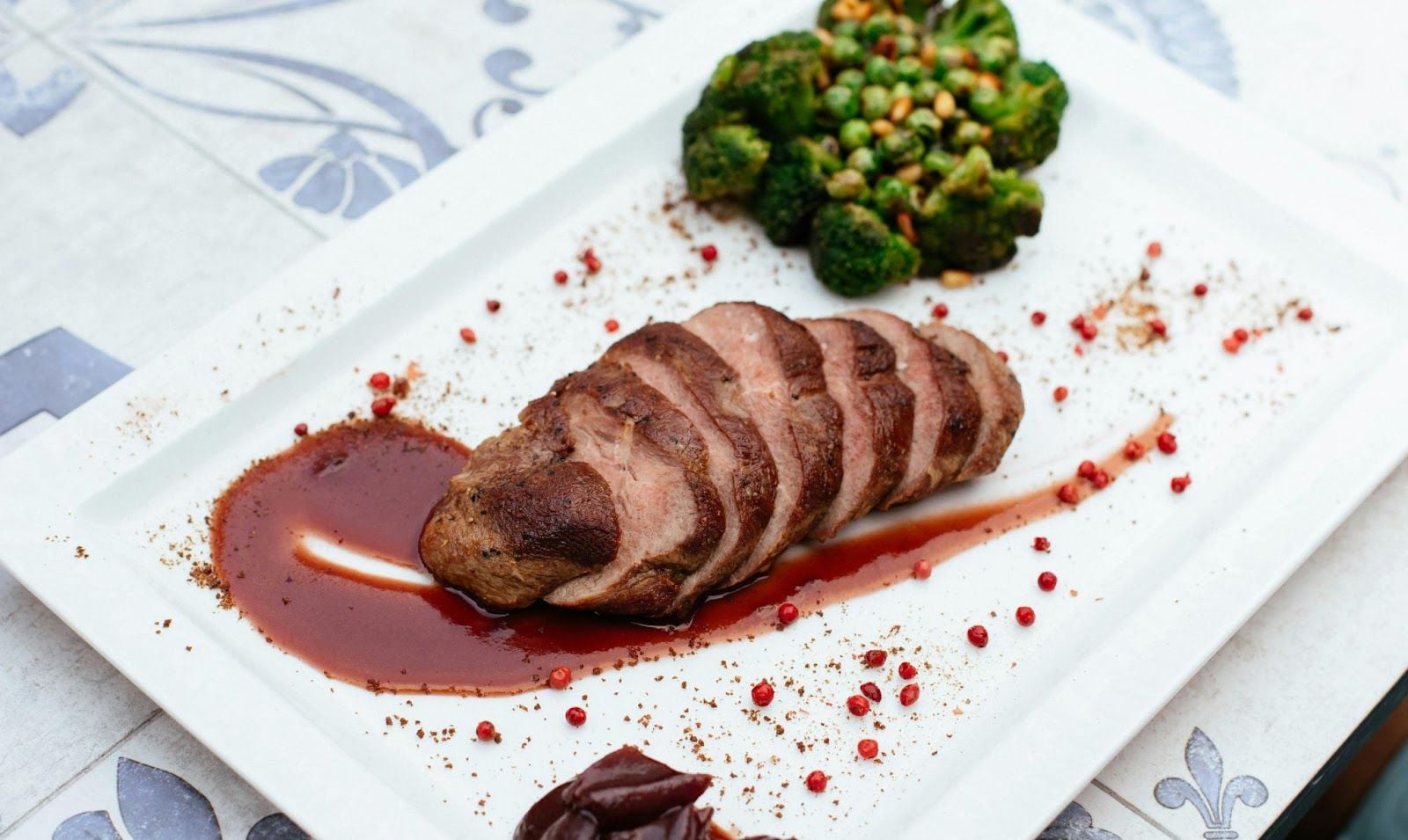
Don’t have 30 minutes for a traditional reduction? Make a quick red wine pan sauce instead. After searing your steak or chops, remove the meat and add wine directly to the hot pan with all those flavorful browned bits. Let it bubble and reduce by half, add a splash of stock, reduce again, then finish with butter. This whole process takes maybe five minutes and delivers incredible flavor.
The key is deglazing properly, scraping up all those caramelized bits stuck to the pan. That’s where tons of flavor live. Swirl the pan as the wine reduces, incorporating everything into your sauce. It’s quick, impressive, and makes you look like you know what you’re doing even if it’s your first attempt.
Red Wine Sauce for Beef
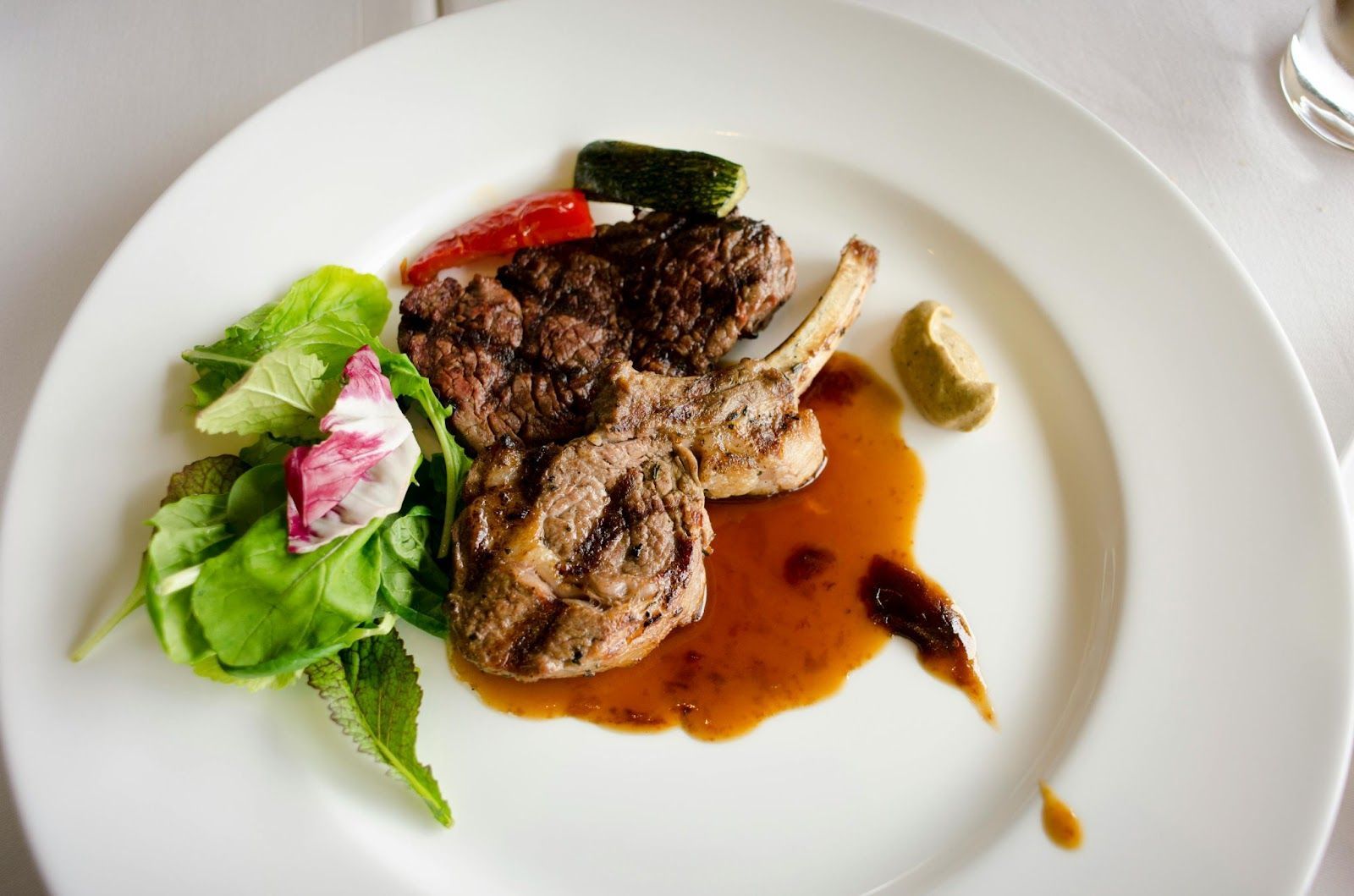
Beef and red wine reduction are culinary soulmates. The sauce’s richness and depth complement the beef’s savory, meaty flavors perfectly. For special occasions, try pairing it with preparations like braised beef short ribs, where the sauce’s elegance matches the dish’s richness. The reduction cuts through the beef’s fat while adding another layer of complexity.
Grilled steaks love a simple red wine reduction spooned over the top. Beef tenderloin becomes extraordinary with a well-made sauce. Even a good burger gets elevated when you drizzle reduction over it instead of ketchup. The versatility is honestly remarkable once you start experimenting.
Red Wine Reduction for Lamb
Lamb’s distinct flavor profile pairs beautifully with red wine reductions that include rosemary and garlic. The herb’s piney notes complement lamb naturally, while the wine’s acidity balances the meat’s richness. For elegant presentations like seared rack of lamb with rosemary Cabernet sauce, the sauce becomes essential rather than optional; it ties the whole dish together.
When making a reduction for lamb, consider adding a touch of honey or balsamic vinegar during the final stages. These additions create sweet-savory complexity that highlights lamb’s unique characteristics. Fresh mint stirred in at the last moment also works beautifully, bringing brightness that cuts through richness.
Common Mistakes to Avoid
The biggest error is reducing too quickly over high heat. You want steady simmering, not aggressive boiling. High heat can make your sauce bitter and prevent proper flavor development. Take your time, good reduction can’t be rushed.
Using cooking wine instead of real wine is another misstep. Those shelf-stable “cooking wines” contain salt and preservatives that ruin your sauce. Just use regular wine. An open bottle that’s been sitting in your fridge for a few days works perfectly fine for sauce, even if it’s not ideal for drinking anymore.
Don’t add butter while the sauce is boiling. Turn the heat to low and whisk the butter in gradually. If your sauce is too hot, the butter will separate instead of emulsifying, leaving you with a broken, greasy sauce instead of that silky finish you’re after.
Making It Your Own
Once you’ve mastered the basic technique, start experimenting. Add different herbs like thyme, sage, or tarragon. Include mushrooms for earthiness. A splash of brandy or port adds another dimension. Whole grain mustard stirred in at the end creates an interesting texture and tang.
The sauce keeps well in the fridge for several days, so make a bigger batch and have it ready for quick weeknight dinners. Just gently reheat and whisk in fresh butter before serving. It’s one of those techniques that makes regular cooking feel special.
Ready to explore more recipes and cooking techniques that elevate your home cooking? Visit our collection of ideas and inspiration, where we share the kind of knowledge that makes cooking more enjoyable and entertaining more impressive.