Harvest 2026: Inside Davis Estates’ Earliest Harvest on Record
Harvest has a way of announcing itself before the first bin of grapes ever reaches the winery. Vineyard samples start appearing everywhere. Weather forecasts get checked with an intensity normally reserved for major sporting events. Conversations that sounded relaxed a week ago suddenly include phrases like “Brix,” “pick date” and “how hot is it supposed to get Thursday?”
“This year, harvest didn’t just announce itself. It showed up early.”
Harvest 2026 is officially the earliest harvest we’ve ever had on record at Davis Estates. And just to make things interesting, our first fruit arrived on August 7, the day after our winemaking team finished bottling the 2024 reds.
So much for taking a breath between vintages.
One day we were wrapping up 2024. The next, Sauvignon Blanc was rolling through the winery and 2026 was officially underway.
That pretty much sums up harvest: the grapes don’t care about your schedule.
First In: Sauvignon Blanc and Sémillon
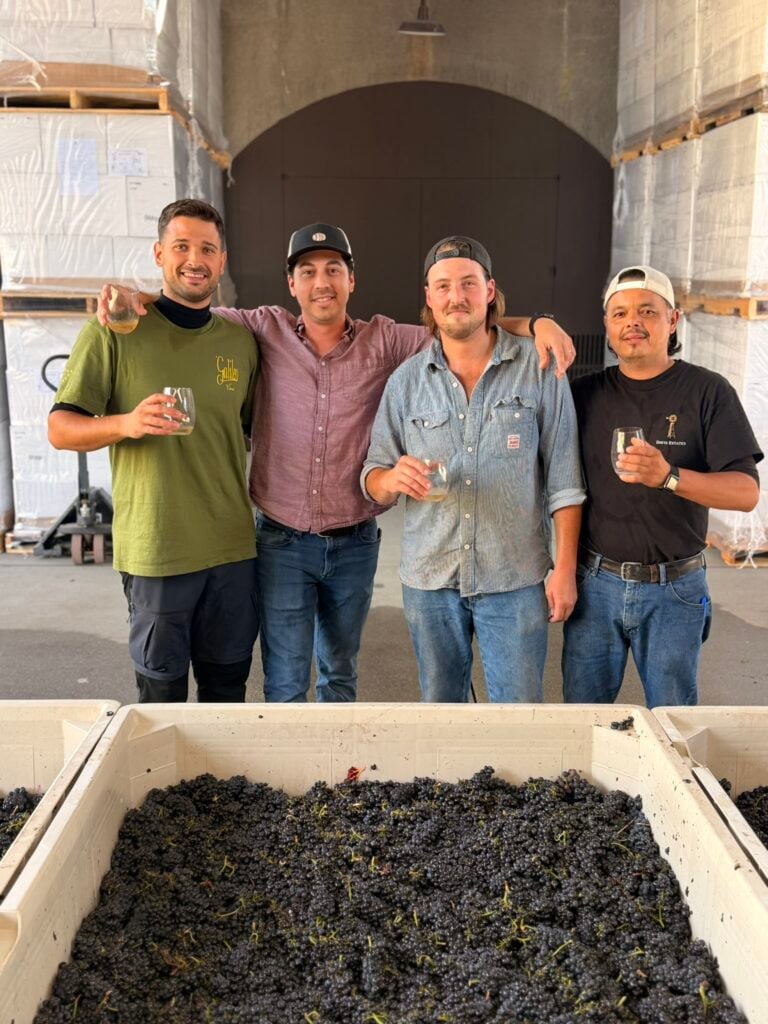
We kicked things off with Sauvignon Blanc from Carsi Vineyard in Oak Knoll. The fruit came in beautiful and bright, with a touch of gooseberry, racy acidity and terrific balance.
Alongside the Carsi Sauvignon Blanc, we brought in Sémillon from Melrose Vineyard in Rutherford. The two will ultimately come together in our 2026 Sauvignon Blanc bottling.
White varieties often lead the charge into harvest, but this year there was barely time to register that harvest had begun before the reds started arriving too.
Then Came the Estate Merlot
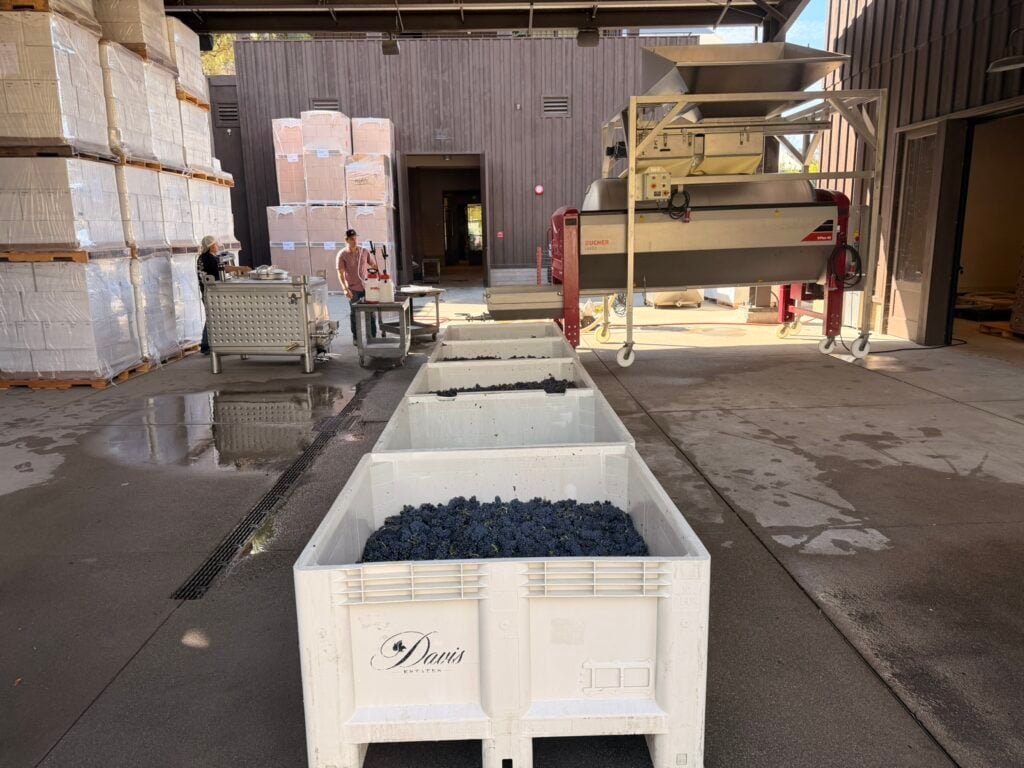
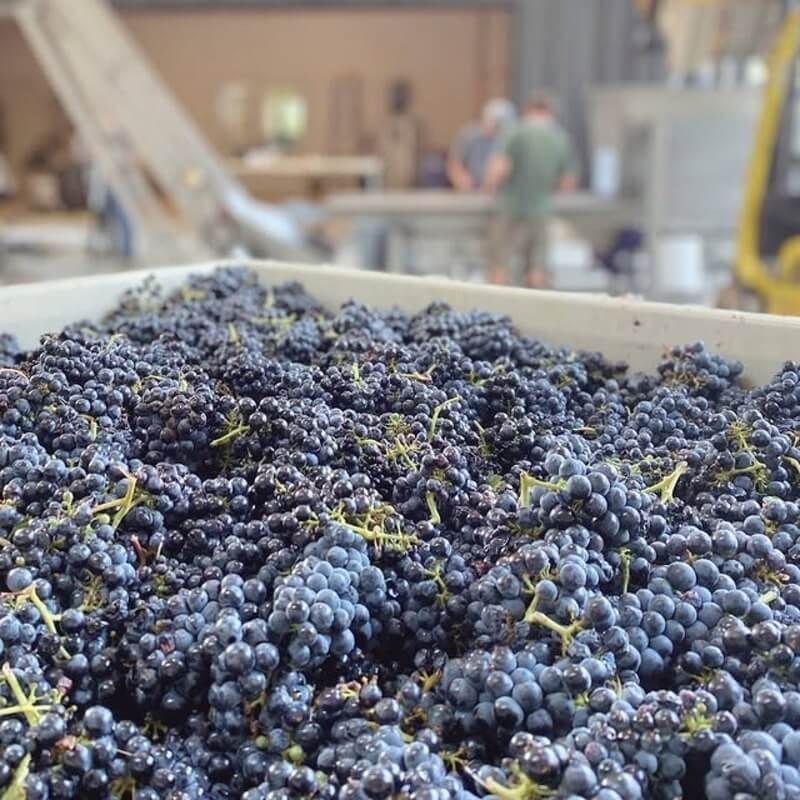
The very next day, we brought in our first red fruit of the vintage: two blocks of Estate Merlot.
These vines are youngsters by vineyard standards. They were planted in 2021, which made seeing the quality of this fruit particularly exciting. The Merlot arrived concentrated, flavorful and in ideal condition.
Early fruit never tells the entire story of a vintage, but it gives you clues. And so far, those clues are very encouraging.
“Everything currently in tanks tastes absolutely fabulous, a very strong early indicator of the quality we expect to see as harvest continues.”
— Walter Leiva, Winemaker
Harvest Mode: Fully Activated
There is the romantic version of harvest: beautiful clusters hanging in golden light, vineyard crews moving through the rows and bins filled with pristine fruit.
Then there is the version happening behind the winery doors.
Picks. Press runs. Cellar work. Cleaning. Sampling. More cleaning. More fruit. And this year, we are still finishing bottling work on the back end.
Our large-format bottles? Those still need to be hand bottled. We’ll get there.
The team is moving quickly between whatever needs attention next, which can change by the hour during harvest. We are also fortunate to have three interns in-house this year, two international and one American, getting very hands-on experience during what has already become one of our earliest and most demanding harvests.
There is no spectator section during harvest. Everyone gets involved.
What Came Next
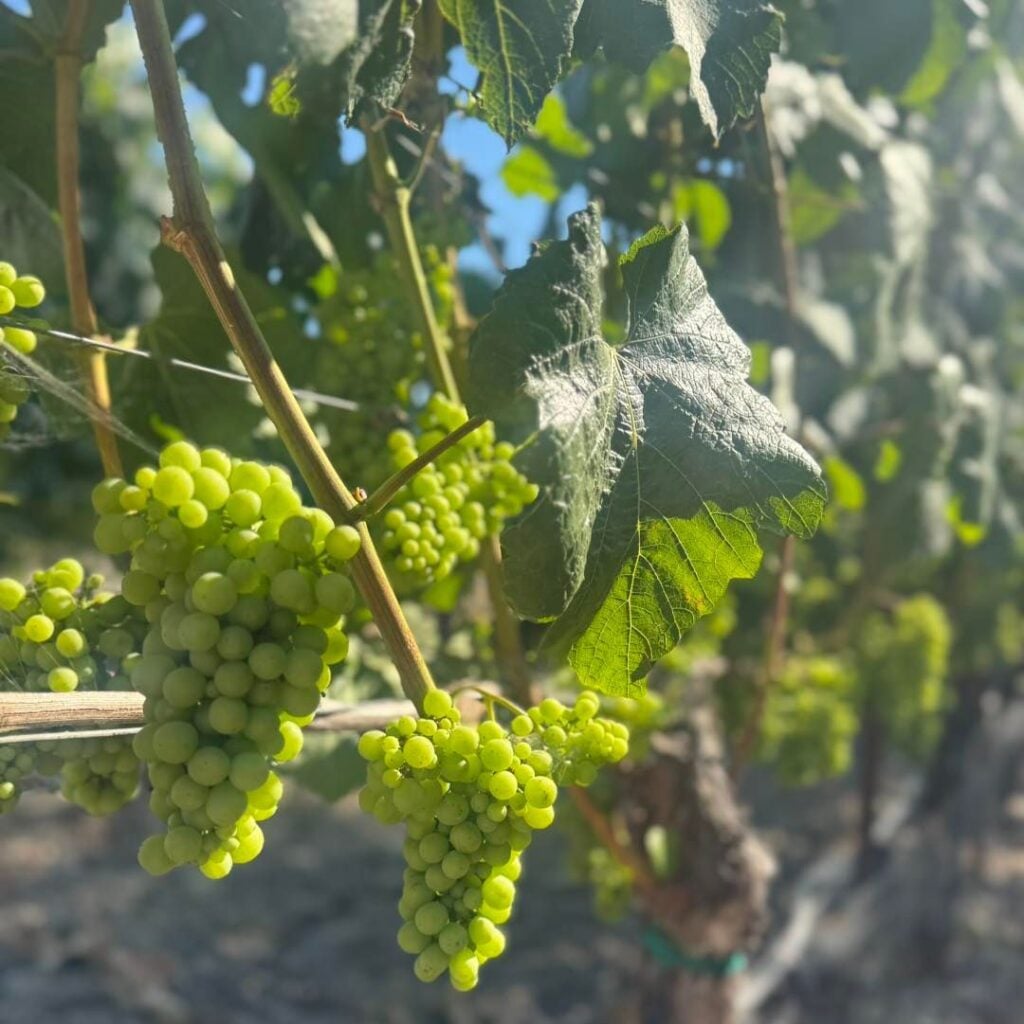
Rutherford Sauvignon Blanc is next, and the fruit tasted phenomenal on the vines.
Then comes Chardonnay from Henry Vineyard in Carneros. This is our first year working with this fruit, and we are already excited about it. The berries are small and packed with flavor, leaning toward tropical and stone fruit with an impressive acid backbone.
After that, attention turns increasingly toward the reds.
Estate Cabernet Franc is next on the list, followed potentially by our first Estate Cabernet Sauvignon from the hillside blocks.
Things are moving fast. Very fast.
But what matters most is that we are pleased with both the quality already inside the winery and what is still hanging on the vine.
The Grapes Don’t Read the Calendar
One of the most common misconceptions about harvest is that there is a date when it begins. There isn’t. Harvest starts when the fruit is ready, and the fruit has absolutely no interest in anyone’s calendar.
Different varieties ripen at different times. Different vineyard blocks ripen at different times. Even two sections of the same vineyard can behave differently depending on exposure, elevation, soil and weather.
That is why the weeks surrounding harvest involve so much time tasting fruit and walking vineyards. Sugar levels matter, but they are only one part of the decision. Acidity matters. Seeds and skins matter. Flavor matters. And then there is the weather forecast.
Eventually, all of that information has to become one decision: When to pick? Once that decision is made, there is no rewind button.
Why Harvest Often Starts Before Sunrise
If you drive through Napa Valley very early during harvest, you may see vineyard rows illuminated by headlamps and work lights while crews move through the darkness.
There is a practical reason for it. Cool fruit arrives at the winery in better condition and is easier to work with than grapes that have been sitting in afternoon heat. Early picking also gives vineyard crews a cooler environment for some of the hardest physical work of the year.
By the time many people are ordering their first coffee, a vineyard crew may already have been working for hours. Harvest keeps its own clock.
From Vineyard to Winery
Once the fruit arrives, the vineyard story becomes a winery story.
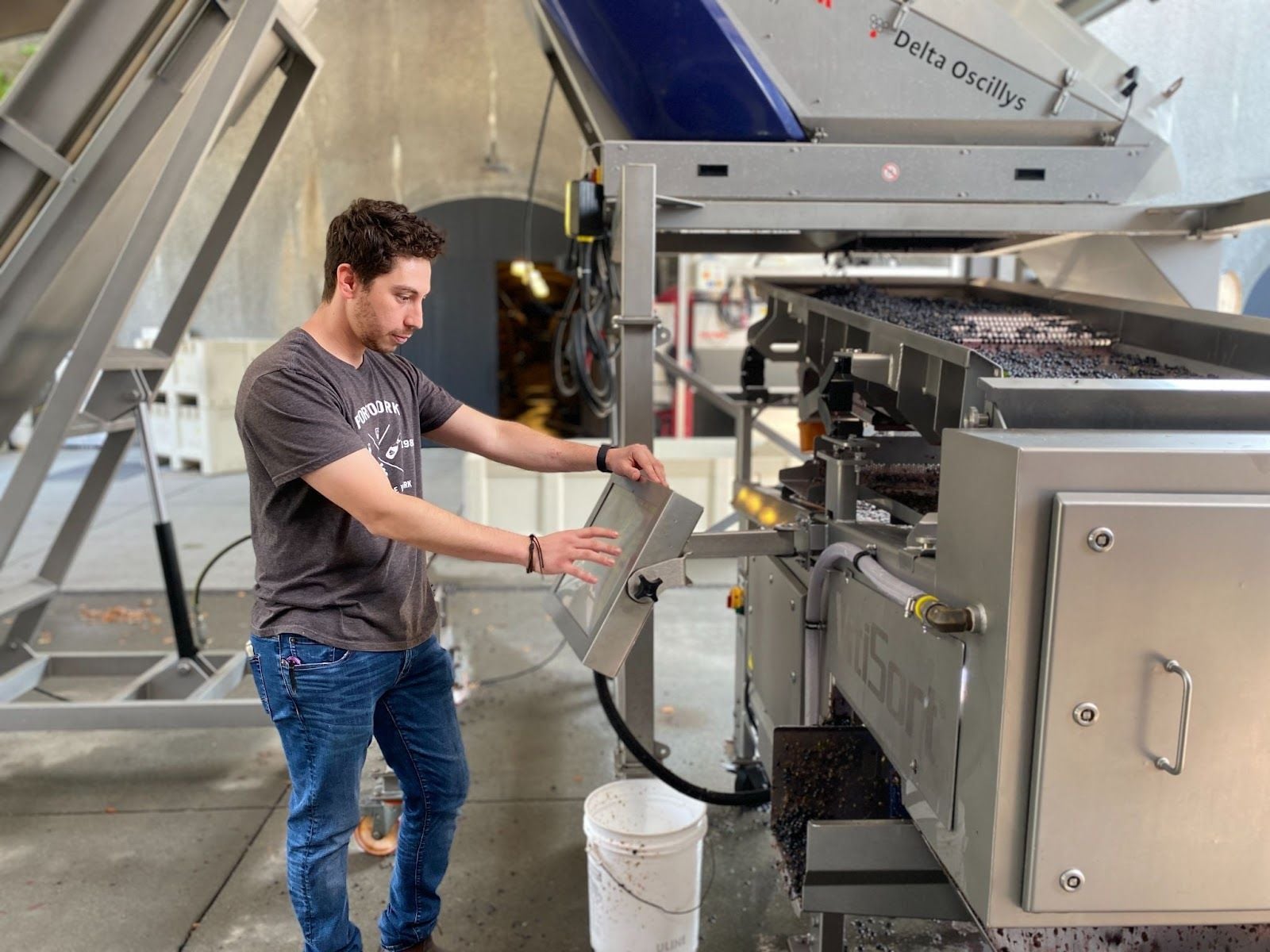
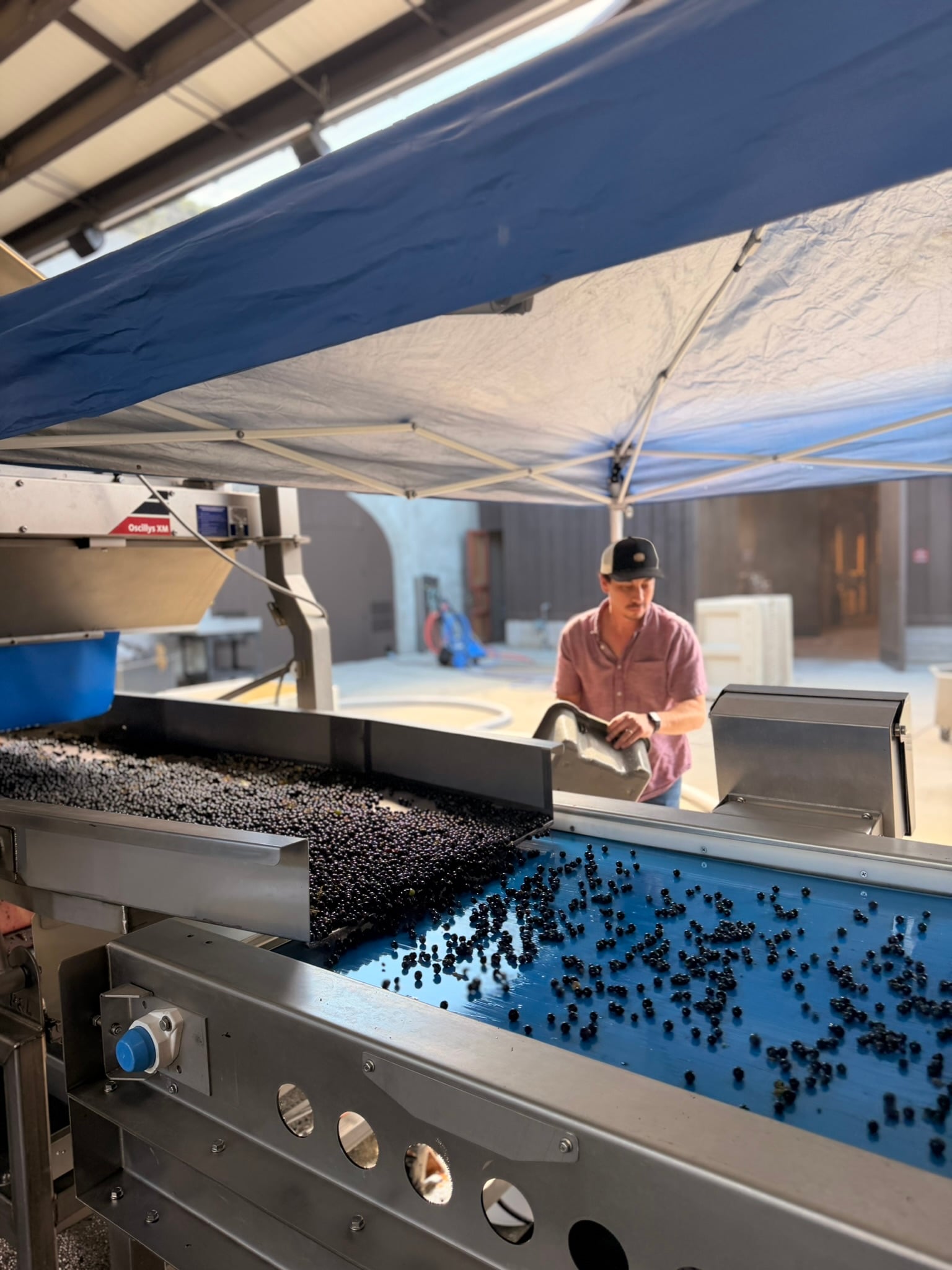
Bins are received and weighed. Fruit is evaluated. Grapes move through sorting, where leaves, imperfect berries and anything else that does not belong are removed before the fruit continues into the next stage of winemaking.
It is hands-on, sticky, repetitive work, and when several lots arrive close together it becomes a carefully choreographed race.
Then fermentation begins. For red wines, the skins rise to the top of the tank and form a cap that needs to be managed so color, flavor and tannin can be extracted thoughtfully. Temperatures, aromas and flavors are watched closely as the fruit begins its transformation into wine.
This is where the personality of the vintage starts to emerge.
A Little-Known Davis Fact
Harvest may be one of the busiest times of year for our winemaking team, but the rest of Davis Estates does not stop.
Guests are still arriving. Tastings are still happening. The kitchen is still cooking. Wine is still being shipped. And somewhere behind the scenes, fruit may be arriving, a press may be running and a fermentation may need attention at exactly the same time.
That means the calm experience at your table can be happening only a short distance from some very organized chaos. We kind of love that.
Why Cabernet Makes Us Wait
Napa Valley is famous for Cabernet Sauvignon, and Cabernet is rarely in a hurry.
Earlier-ripening varieties can already be safely inside the winery while Cabernet is still hanging, developing flavor and waiting for the right balance.
Every extra day can bring more development, but it also gives Mother Nature another opportunity to join the conversation. Heat, rain and changing temperatures all matter.
The goal is not simply to wait as long as possible. It is to capture the vineyard at the moment the fruit is ready. Sometimes that means patience. Sometimes, as 2026 is already reminding us, it means moving very quickly.
The Vintage Is Just Beginning
It is easy to think of harvest as the finish line after a year in the vineyard.
For the winemaking team, it is really the starting gun.
The fruit comes in over a matter of months, but the wines we are beginning today will spend years evolving before many of them reach your glass.
That is one of the strange and wonderful things about harvest. Decisions made in a vineyard before sunrise in 2026 may eventually become a bottle opened at someone’s dinner table years from now.
For the moment, though, nobody is thinking that far ahead.
There is fruit coming.
There are tanks to check.
There are still large formats waiting to be hand bottled.
And judging by the pace of this harvest, we should probably get back to work.