

Guide to Late Harvest Wine
Late harvest wine represents one of winemaking’s most patient and rewarding expressions. Think of it as nature’s way of creating liquid gold—grapes left to concentrate on the vine well beyond their usual harvest time, developing extraordinary complexity and natural sweetness that can make even the most seasoned wine lover pause in appreciation.
If you’ve ever wondered about those beautiful amber bottles tucked away in dessert wine sections, or you’re already a fan looking to deepen your knowledge, late harvest wines offer some of the most memorable and surprisingly versatile experiences in the wine world.
What is Late Harvest Wine?
Late harvest wine starts with what might seem like a crazy idea to anyone watching from the sidelines: leaving perfectly good grapes hanging on the vine for weeks after everyone else has finished picking. But there’s a method to this apparent madness.
This extended hang time—typically 4-6 weeks beyond normal harvest—works a kind of natural magic. The grapes slowly lose moisture while their sugars, acids, and flavors become intensely concentrated. It’s like nature’s own reduction sauce, creating fruit with sugar levels that can reach 25-30 Brix compared to the 22-24 Brix typical for dry wines.
The real skill lies in knowing exactly when to pick. Winemakers become part meteorologist, part fortune teller, carefully monitoring weather patterns while watching their grapes transform into something extraordinary.

Late Harvest Wine Types and Styles
Understanding the different categories within this late harvest wine guide helps appreciate the diversity these wines offer.
Varietal Late Harvest Wines
Most late harvest wines showcase single grape varieties, allowing the concentrated characteristics of each grape to shine through distinctly:
- Riesling produces wines with bright acidity, balancing honeyed sweetness
- Chardonnay develops rich, buttery textures with concentrated tropical fruit and vanilla notes
- Cabernet Franc creates unique red late harvest wines with berry concentration and subtle tannins
- Semillon develops waxy, lanolin textures with citrus and honey flavors
Noble Rot Enhanced Wines
Here’s where things get wonderfully weird: sometimes the best late harvest wines come from grapes that look absolutely terrible. Botrytis cinerea—romantically called “noble rot”—is actually a beneficial fungus that creates some of the world’s most prized dessert wines. This friendly mold punctures grape skins, speeding up water loss while adding incredible complexity with notes of honey, mushrooms, and exotic spices.
Regional Variations
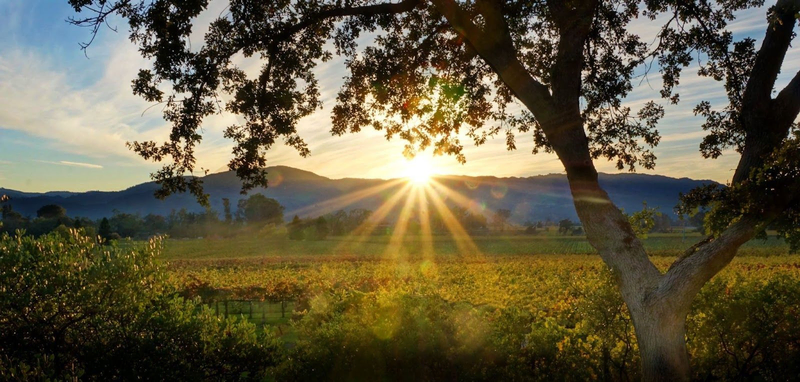
Different wine regions approach late harvest production with their own philosophies and climate advantages, creating distinct style profiles that reflect their terroir and winemaking traditions.
The Winemaking Process Behind Late Harvest Dessert Wine
Creating exceptional late harvest dessert wine requires both viticultural patience and technical precision throughout the winemaking process.
Vineyard Management
The process begins months before harvest with careful canopy management to ensure optimal air circulation around grape clusters. This reduces disease pressure while maintaining healthy fruit during the extended hang time. Winemakers monitor sugar levels, acidity, and flavor development through regular sampling, waiting for that perfect moment when concentration reaches its peak.
Harvest and Processing
Late harvest grapes often require multiple picking passes through the vineyard, selecting only clusters at optimal ripeness levels. The concentrated fruit yields significantly less juice than normal grapes—sometimes only 30-40% of typical yields.
Fermentation Techniques
The high sugar content in late harvest grapes creates unique fermentation challenges:
- Yeast strains must be selected for their ability to work in high-sugar environments
- Fermentation temperatures are kept cooler to preserve delicate aromatics
- The process often stops naturally when alcohol levels reach 10-14%, leaving substantial residual sweetness
- Some winemakers employ techniques like cold settling or gentle pressing to enhance clarity and finesse
Best Late Harvest Wines and What Makes Them Special
Exceptional late harvest wines share certain characteristics that elevate them above simple sweet wines. The Pinwheel Late Harvest Cabernet Franc exemplifies these qualities, showcasing how red varietals can create stunning dessert wines with complexity and elegance.
Quality Indicators
Outstanding late harvest wines demonstrate perfect balance between sweetness and acidity. This balance prevents cloying heaviness while providing the structural backbone necessary for aging. The finest examples also show layers of flavor that unfold gradually, revealing different aspects with each sip.
Aging Potential
Premium late harvest wines possess remarkable aging potential due to their natural acidity and sugar content, which act as preservatives. Well-made examples can improve for decades, developing tertiary flavors of caramel, nuts, dried fruits, and complex spice notes.
Late Harvest Wine Tasting Notes and Characteristics
Developing your palate for late harvest wine tasting notes requires understanding the unique flavor profiles these wines express.
Aromatic Profile
Late harvest wines typically display intensified versions of their grape variety’s characteristic aromatics, enhanced by concentration:
- Fruit notes become more jam-like and concentrated rather than fresh
- Floral elements often emerge more prominently than in dry versions
- Spice and herb characteristics develop additional complexity through extended hang time
- Honey and caramel notes frequently appear, especially in botrytis-affected wines
Palate Experience
The texture of late harvest wines sets them apart from other wine styles. The residual sugar creates a viscous mouthfeel that carries flavors across the palate differently than dry wines. Despite their sweetness, well-balanced examples never feel heavy or cloying thanks to supporting acidity.
Serving and Storage
Proper serving enhances the late harvest wine experience significantly. These wines should be served well-chilled, around 45-50°F, in smaller glasses that concentrate the aromatics. Storage in cool, dark conditions with minimal temperature fluctuation preserves their quality for extended periods.
Food Pairing and Serving Suggestions
Late harvest wines shine brightest when paired thoughtfully with complementary foods that either contrast or harmonize with their sweetness and intensity.

Classic Pairings
Traditional pairings have developed over centuries of wine and food culture:
- Foie gras creates a luxurious match where richness meets richness
- Blue cheeses provide salty, pungent contrast to sweet wine
- Fruit tarts and pastries harmonize with the wine’s concentrated fruit flavors
- Spiced desserts complement the complex spice notes found in many late harvest wines
Creative Applications
Modern applications extend beyond traditional dessert pairings. The Blood Orange Hibiscus Late Harvest Cabernet Franc Spritzer demonstrates how these wines can be incorporated into innovative cocktails that highlight their unique characteristics while making them accessible for different occasions.
Consider serving late harvest wines with:
- Aged hard cheeses that have developed nutty, caramelized flavors
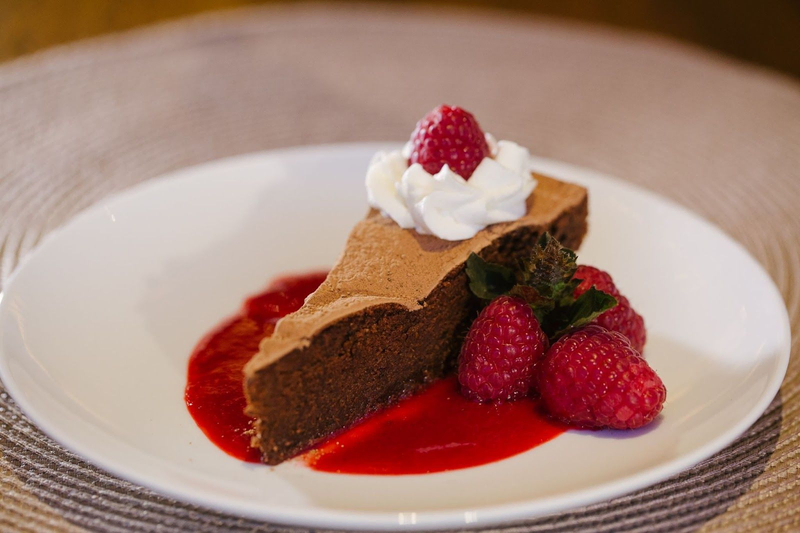
- Dark chocolate desserts for rich, complementary indulgence
- Savory dishes with sweet components, like duck with cherry sauce
Building Your Late Harvest Wine Collection
Starting a collection of late harvest wines requires understanding both immediate drinking pleasures and long-term aging potential.
Selection Criteria
When choosing late harvest wines for your cellar, consider the producer’s reputation, vintage conditions, and storage history. Look for wines with good acidity levels, as these will age most gracefully over time.
Storage Considerations
These wines benefit from consistent cool temperatures and protection from light. Unlike dry wines, late harvest wines can handle slight temperature variations better due to their sugar content, but consistent conditions still produce the best aging results.
Exploring current releases from established producers provides opportunities to taste different styles and vintage expressions while building knowledge about personal preferences.
Ready to Taste the Magic Yourself?
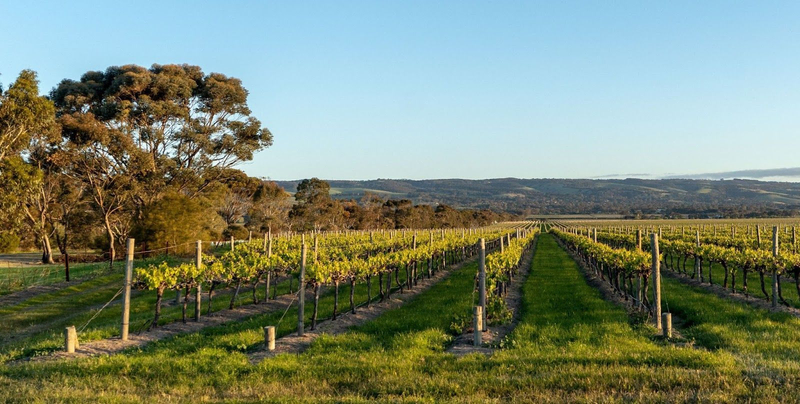
Why not experience the artistry of late harvest wines where they’re crafted best? Join us in Napa Valley for tastings that reveal the subtle complexities and stories behind these remarkable wines. There’s nothing quite like learning about late harvest wines while surrounded by the very vineyards where the magic begins.