
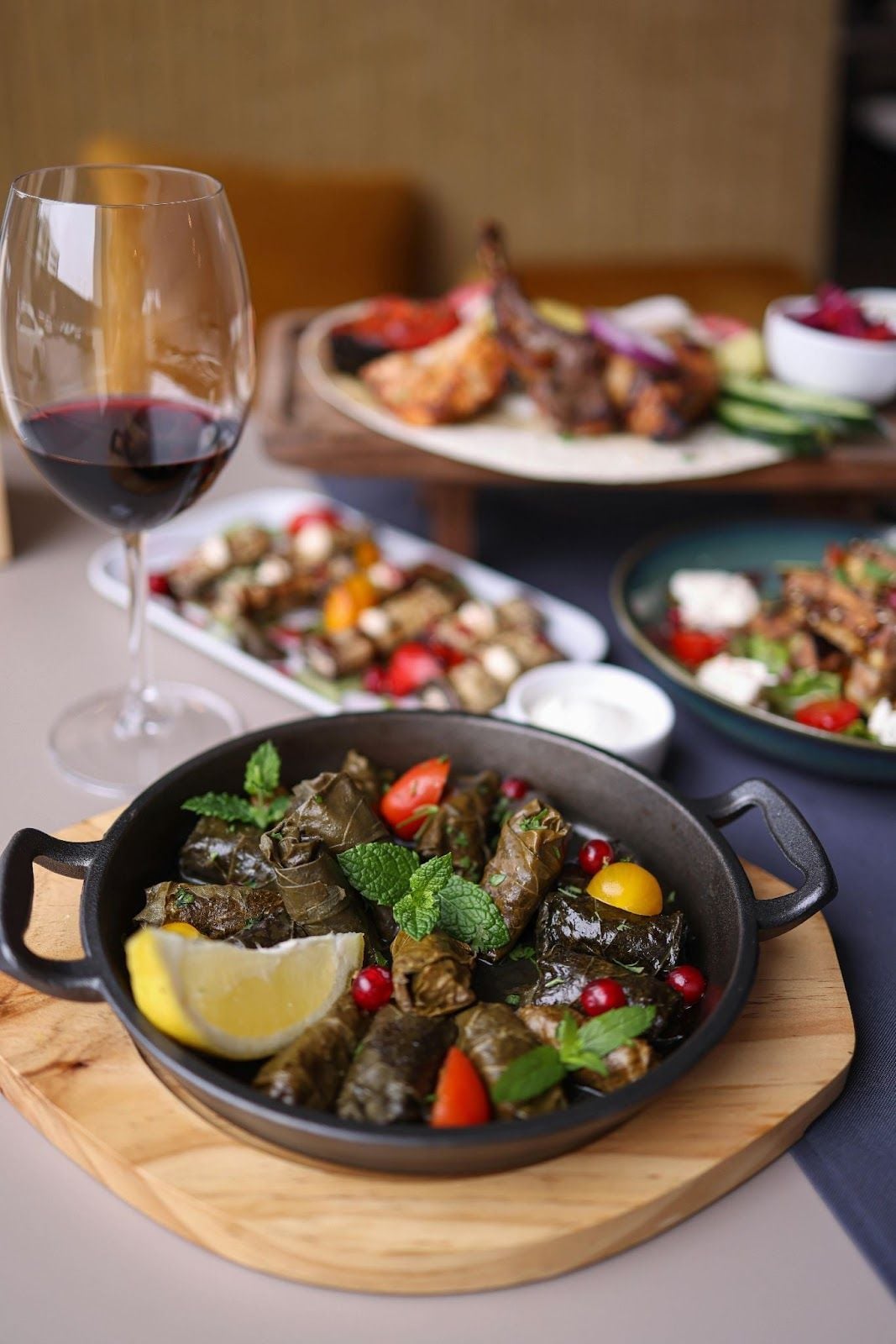
Vegetarian Dishes That Shine with a Glass of Wine
Vegetarian meal and wine pairing is having a moment, and honestly? It’s about time. We’ve noticed an increase in guests at Davis Estates inquiring about pairing wines with plant-based dishes, and the enthusiasm is contagious. It turns out that vegetables offer incredible diversity for wine pairing, often more so than meat does. That earthy mushroom risotto, that bright roasted vegetable medley, that rich eggplant parmesan? Each one opens up completely different wine possibilities that can make both the food and wine taste better.
The best part about vegetarian wine pairing is how approachable it feels. Without heavy proteins dominating the plate, you can really taste how wine interacts with the vegetables’ natural characteristics. Sweetness from roasted carrots, earthiness from mushrooms, bitterness from greens, and umami from tomatoes. These flavors love wine in ways that might surprise you.
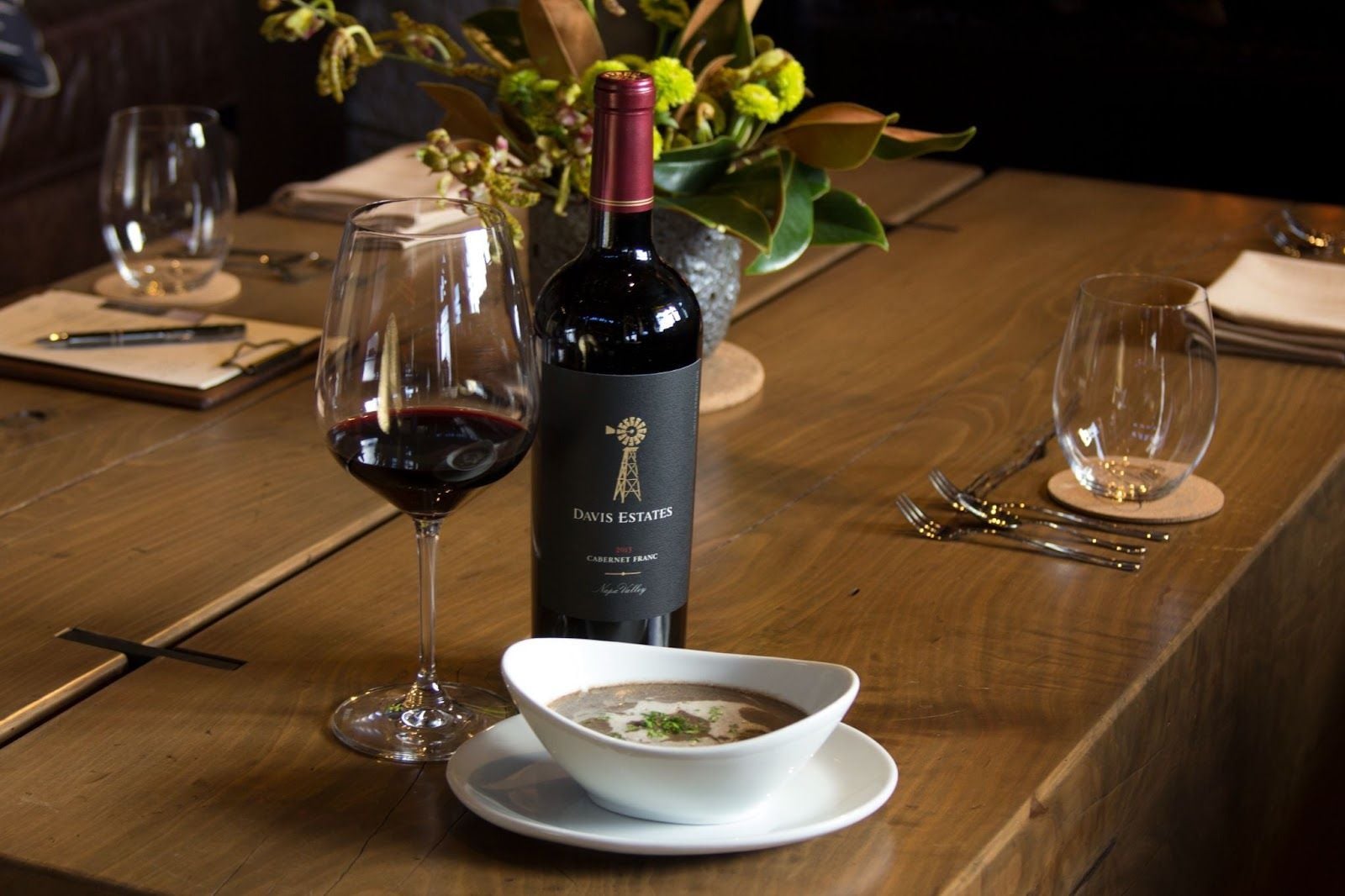
Understanding Wine Pairing for Vegetarian Dishes
Here’s what makes wine with vegetable dishes so interesting: you’re working with pure, clean flavors. A grilled portobello tastes distinctly earthy and meaty without actually being meat. Roasted bell peppers develop this incredible sweetness. Brussels sprouts caramelize into something nutty and complex. Each vegetable brings its own personality to the table, and the right wine amplifies those characteristics.
The cooking method often matters more than the vegetable itself. Raw tomatoes in a salad call for crisp, acidic white wine. Those same tomatoes slow-roasted with olive oil and garlic? Suddenly, a light red or rosé makes sense. Understanding this principle opens up your wine pairing possibilities considerably.
Best Wine with Vegetarian Meals: Mushroom Dishes
Mushrooms are the gateway to understanding how best to pair wine with vegetarian meals. Their umami-rich, earthy character pairs beautifully with wines that have similar complexity. A mushroom risotto with truffle oil practically begs for Pinot Noir. The wine’s earth tones and silky texture mirror the dish’s richness without overwhelming it. For something more adventurous, preparations like tempura maitake mushrooms with truffle tentsuyu showcase how delicate, crispy textures with earthy mushroom flavors can create fascinating wine pairing opportunities that go beyond traditional presentations.
For heartier mushroom preparations like stuffed portobellos or mushroom Wellington, you can even reach for fuller reds like Merlot or lighter Cabernet blends. The meaty texture of mushrooms can handle these wines in ways other vegetables can’t. If you’re exploring sophisticated preparations like truffle-enhanced dishes, the wine pairing becomes even more interesting as those luxurious flavors demand wines with similar complexity.
Roasted Vegetable Perfection
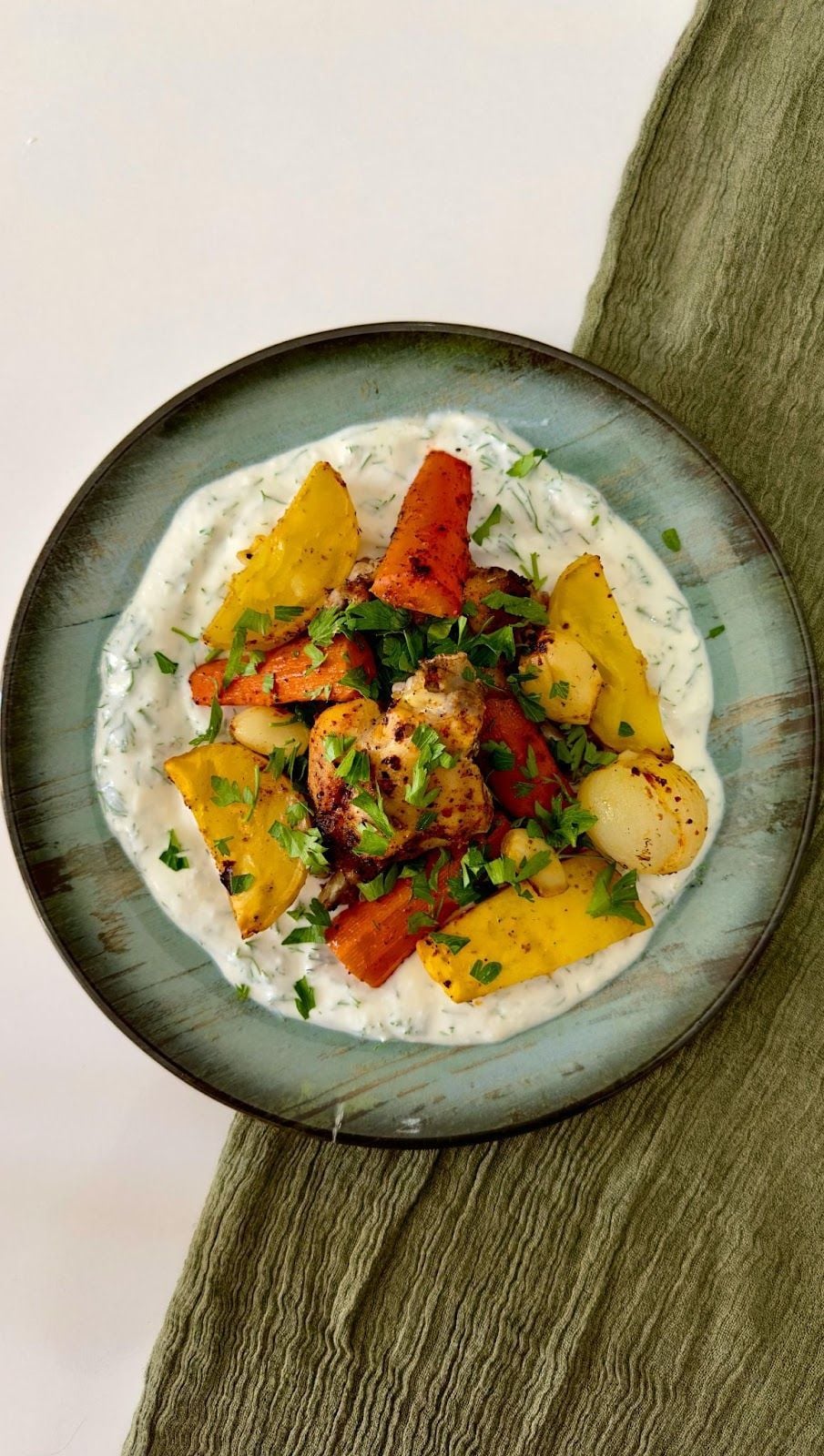
Roasting transforms vegetables completely, concentrating sugars and developing caramelized flavors that love wine. A simple roasted vegetable medley with carrots, parsnips, and Brussels sprouts pairs beautifully with medium-bodied whites like Chardonnay or Viognier. The wine’s richness complements the vegetables’ sweetness while cutting through any olive oil or butter.
For vegetarian food and wine pairings featuring roasted root vegetables with herbs, consider how those seasonings influence your wine choice. Rosemary and thyme suggest Mediterranean wines. Cumin and coriander point toward more aromatic whites. The vegetables provide the canvas, but the seasonings often determine which wine works best.
Pasta and Wine: A Natural Partnership
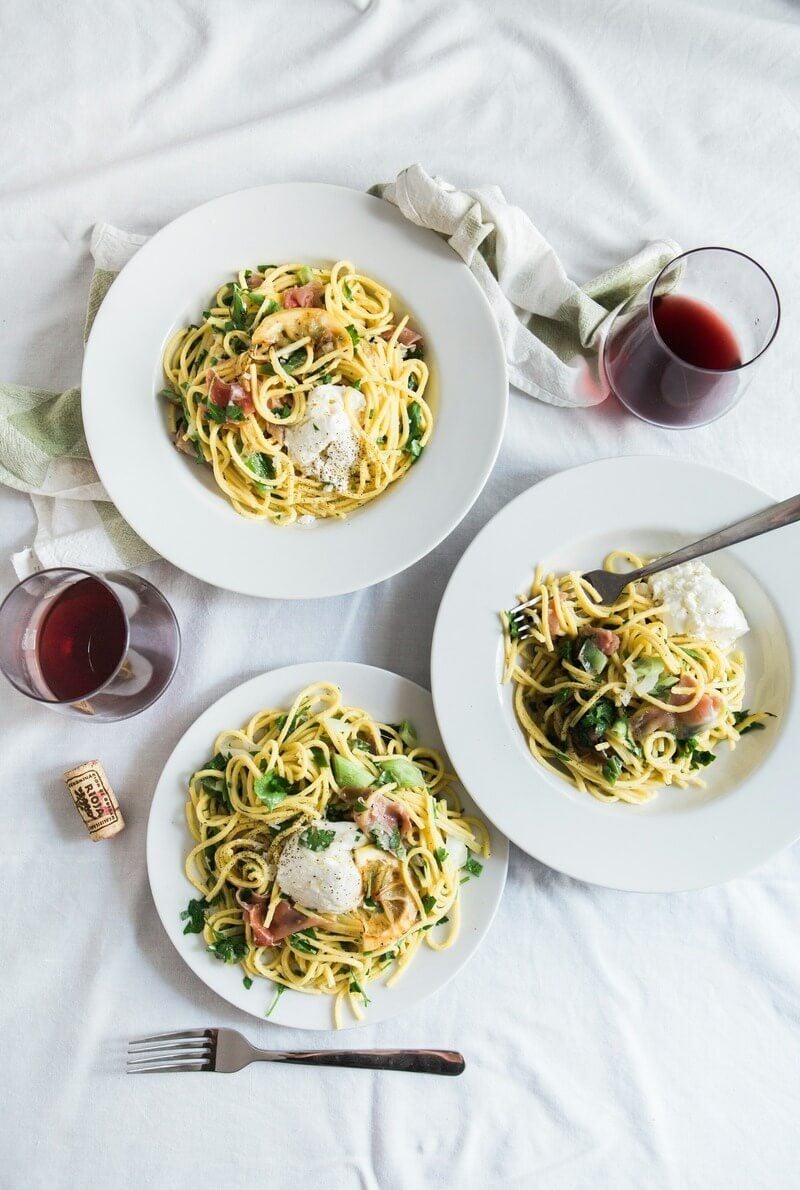
Vegetarian pasta dishes offer endless wine pairing opportunities. A simple aglio e olio with garlic and olive oil calls for crisp, acidic white wine like Pinot Grigio or Sauvignon Blanc. Creamy pasta with spinach and ricotta? That needs something with more body, like Chardonnay, to match its richness.
Tomato-based pasta sauces love Italian reds for obvious reasons. Chianti, Sangiovese, or Barbera all bring the acidity needed to complement tomatoes while adding their own savory complexity. If you’re making something rich like spaetzle with creamed spinach, you need wine with enough body to stand up to that creamy richness without being overwhelmed.

Grilled and Charred Vegetables
Grilling vegetables adds smoky, charred flavors that change the wine pairing game. Those grill marks bring complexity that can handle bolder wines than you might expect. Roasted eggplant, zucchini, and bell peppers work wonderfully with rosé or light reds that have enough character to complement the smokiness.
For a vegetarian dinner wine pairing featuring grilled vegetables, consider the whole flavor profile. If you’re using bold marinades with garlic, herbs, and vinegar, your wine needs bright acidity to match. If you’re keeping it simple with just olive oil and salt, you have more flexibility in wine selection.
Cheese-Forward Vegetarian Dishes
Let’s be real: many vegetarian dishes feature cheese as a primary protein source, and cheese changes everything. Eggplant parmesan, vegetarian lasagna, or caprese salad all revolve around cheese, which brings richness and fat that influences wine pairing significantly.
With hard, aged cheeses like Parmesan, you can handle bigger wines. Soft, creamy cheeses like mozzarella or goat cheese prefer wines with good acidity to cut through their richness. Blue cheese in vegetarian preparations can actually work with sweeter wines that balance the cheese’s saltiness and intensity.
Seasonal Considerations
Spring vegetarian dishes featuring asparagus, peas, and fresh herbs pair beautifully with Sauvignon Blanc or Grüner Veltliner. Summer brings tomatoes, zucchini, and eggplant that love rosé and light reds. Fall’s squashes, root vegetables, and mushrooms call for fuller whites and medium-bodied reds. Winter’s hearty preparations with beans, potatoes, and dark greens can handle your boldest wine choices.
Thinking seasonally about wine with vegetable dishes not only makes pairing easier but also connects you to what’s fresh and flavorful right now. The vegetables at their peak don’t need complicated preparations or aggressive seasonings, which means your wine can really shine alongside them.
Building Confidence in Vegetarian Pairings
Start experimenting with wines you already enjoy and vegetables you cook regularly. Notice how different preparation methods change what wines work best. For inspiration on elevated vegetable preparations that pair beautifully with wine, try dishes like braised butternut squash with miso glaze, where complex flavors create interesting wine pairing opportunities. Pay attention to seasonings and sauces, which often influence pairing more than the vegetables themselves. Take mental notes when something works particularly well.
The beautiful thing about vegetarian wine pairing is how forgiving it tends to be. Vegetables’ natural acidity and relatively delicate flavors mean you’d have to work pretty hard to create a truly bad pairing. Trust your instincts, try new combinations, and have fun exploring.
Ready to discover more about pairing wines with your favorite vegetarian dishes? Visit us at Davis Estates, where we’d love to discuss how different wines complement plant-based cooking. Let’s explore these fascinating flavor combinations together.