
White Wine and Seafood Pairings That Never Miss
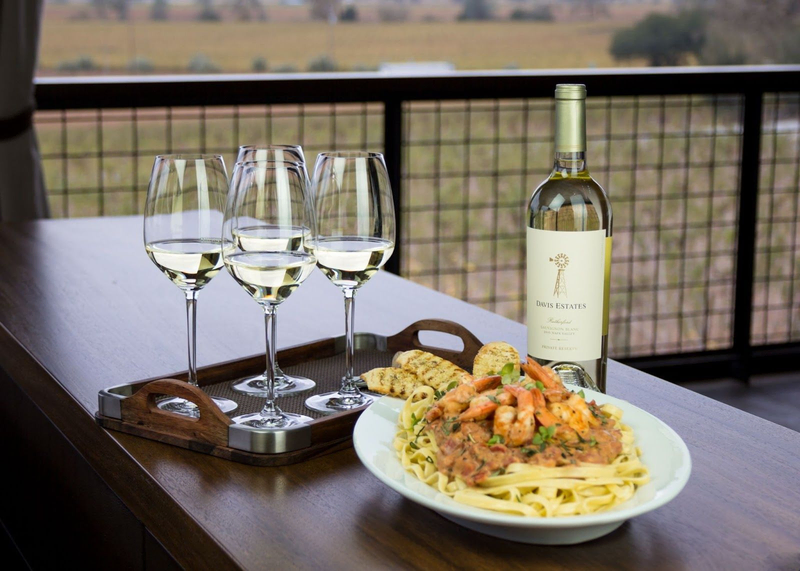
Seafood and wine pairing is one of those classic combinations that just makes sense, like peanut butter and jelly or coffee and morning sunshine. We’ve served countless seafood dishes at Davis Estates, and the look on someone’s face when they discover how perfectly a crisp white wine complements fresh fish? That never gets old. The clean, bright flavors in both seafood and white wine seem designed to enhance each other, creating this harmonious experience that feels effortless and right.
The beauty of white wine and seafood pairing lies in its simplicity. You don’t need complicated rules or extensive wine knowledge to get it right. Fresh seafood has delicate flavors that shouldn’t be overwhelmed, and white wines bring the acidity and lightness that elevate rather than compete. Let’s explore what makes these combinations work so beautifully.
Best White Wine with Seafood
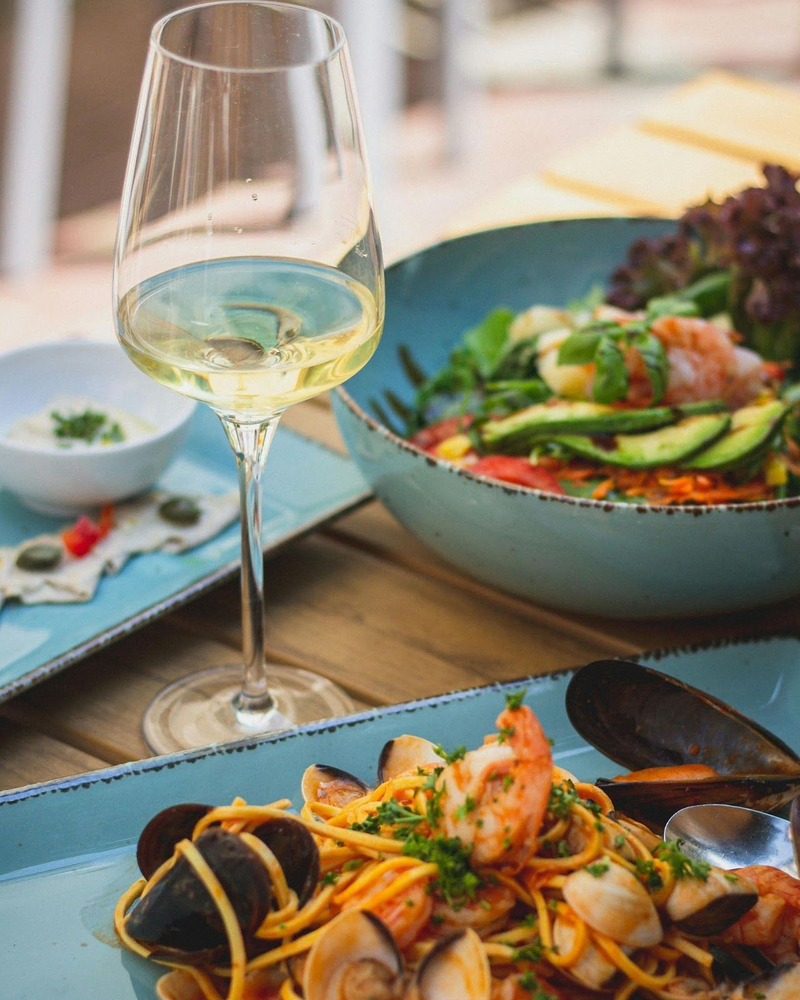
Here’s what makes the best white wine with seafood work so well: both share similar characteristics. They’re typically light, fresh, and have bright acidity that cleanses your palate. When you bite into perfectly cooked fish and follow it with a sip of well-chosen white wine, each enhances the other. The wine makes the fish taste more delicate and sweet, while the fish makes the wine’s fruit and mineral notes more pronounced.
Think about the weight and intensity of your seafood preparation first. Raw oysters and sashimi have delicate, clean flavors that need equally subtle wines. A butter-poached lobster brings richness that can handle fuller-bodied whites. Grilled swordfish develops char and smokiness that pair differently from steamed halibut. Your wine choice should reflect these preparation differences.
Shellfish and Crisp Whites
Shellfish deserve special attention in any seafood wine pairing guide because they behave differently from finfish. Oysters on the half shell practically demand crisp, mineral-driven whites like Muscadet, Chablis, or dry Albariño. These wines’ briny, oceanic qualities mirror the oysters’ flavor profile, creating this amazing synergy that makes you taste the sea in the best possible way.
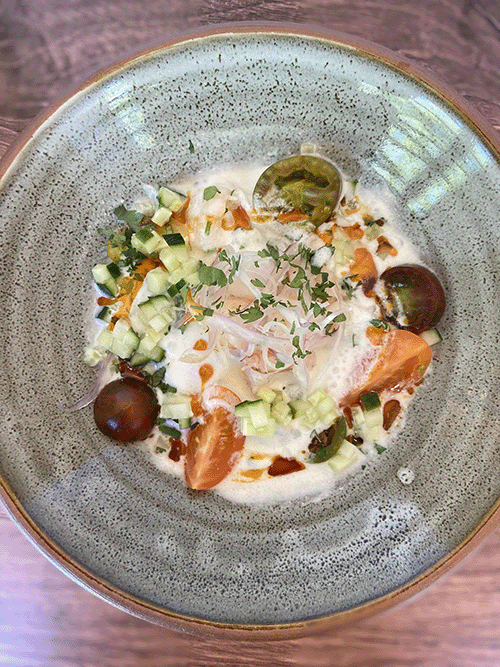
Shrimp, whether grilled, sautéed, or served in cocktail form, loves bright, acidic wines. Sauvignon Blanc works beautifully here, its citrus and herbaceous notes complementing the shrimp’s mild sweetness. Dishes like shrimp ceviche with coconut leche de tigre especially shine with crisp whites that mirror their acidity. Scallops, with their buttery richness, can handle slightly fuller whites like unoaked or lightly oaked Chardonnay. If you’re planning something special like our lobster dinner events, the wine pairing becomes even more important as lobster’s luxurious sweetness demands wines with similar elegance.
Delicate White Fish Preparations
Delicate white fish like sole, flounder, or halibut, prepared simply, benefit from equally delicate wines. Pinot Grigio, Soave, or light Sauvignon Blanc all pair beautifully with fish that is poached, steamed, or lightly sautéed with minimal seasoning. These preparations showcase the fish’s natural sweetness and tender texture, so your wine should enhance rather than compete.
When you add butter, cream, or rich sauces to these preparations, shift toward fuller-bodied whites. A halibut with beurre blanc sauce pairs wonderfully with a Chardonnay that has seen some oak aging. The wine’s richness and subtle vanilla notes complement the sauce while still respecting the fish’s delicate nature.
Grilled and Heartier Seafood
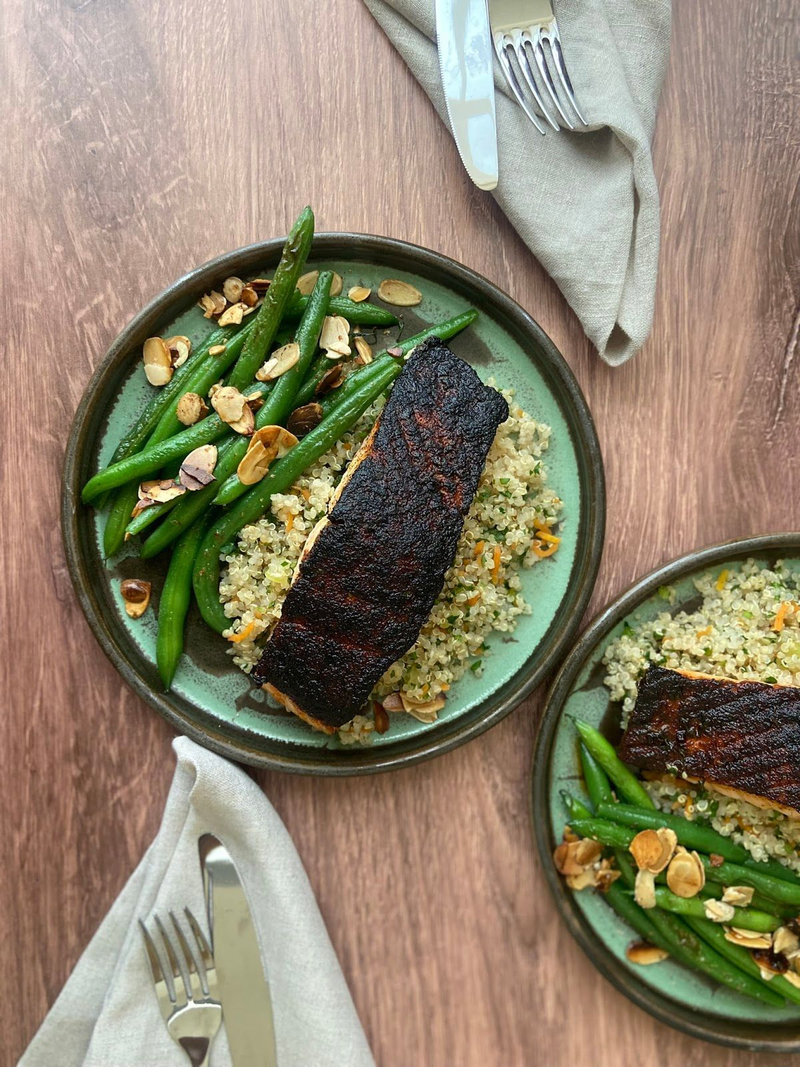
Wine pairing for seafood dishes changes when you introduce grilling or heartier fish varieties. Salmon, tuna, and swordfish have more pronounced flavors and meatier textures that can handle wines with more body and character. These fish also often benefit from bolder seasonings that influence your wine choice significantly. For example, preparations like blackened salmon with quinoa pilaf bring spice and complexity that call for wines with enough structure to complement those robust flavors.
Grilled salmon with herb butter loves fuller Chardonnay or even light Pinot Noir if you’re feeling adventurous. The char from grilling and the richness of the butter call for wines with enough structure to match. Seared tuna with sesame crust pairs beautifully with aromatic whites like Gewürztraminer or Viognier, wines that can stand up to the dish’s bold Asian-inspired flavors. Similarly, complex preparations like chile verde pozole with prawns demonstrate how seafood in spicy, aromatic broths needs wines with bright acidity to cut through the richness while complementing the heat.
Regional Pairing Wisdom
Some of the world’s best seafood and wine pairings come from regions where both are produced locally. Portuguese Vinho Verde with grilled sardines, Sicilian white wine with swordfish, and New England Chardonnay with lobster rolls. These combinations developed naturally over generations because they simply work, and there’s wisdom in that tradition.
While Davis Estates is known for our reds, understanding how different wine regions approach seafood pairing can inform your choices. When you explore different wine regions, you’re learning not just about the wines themselves but about the food cultures that shaped them.
Practical Tips for Seafood Pairing
Serve your white wine with fish properly chilled, around 45 to 50°F for most varieties. Too cold and you’ll mute the wine’s flavors. Too warm and it loses its refreshing quality. Keep a wine bucket handy during dinner to maintain the right temperature throughout the meal.
Consider the complete dish, not just the protein. If you’re serving fish tacos with lime and cilantro, the bright, herbaceous elements call for Sauvignon Blanc. Fish and chips with malt vinegar? A crisp, high-acid white like Albariño cuts through the fried coating beautifully. The accompaniments and preparation method often guide wine choice more than the fish variety itself.
Simple Rules That Always Work
When in doubt, choose wines with good acidity and moderate alcohol levels for seafood. These characteristics naturally complement most seafood preparations without overpowering. If your seafood is raw or minimally cooked, go lighter and crisper. If it’s cooked with butter, cream, or rich sauces, you can handle fuller-bodied whites.
Trust your palate over rigid rules. If you love a particular white wine and it makes your seafood taste better to you, that’s the right pairing, regardless of what conventional wisdom suggests. The goal is enhancing your enjoyment, not following someone else’s formula.
Ready to explore more about seafood and wine pairings? Visit us at Davis Estates, where we’d love to discuss how different wines work with your favorite seafood dishes. Let’s discover combinations that make both the wine and the food shine.