
Why Cabernet Sauvignon Changes From One AVA to the Next
Harvest 2026 gave us a front-row seat to something we talk about all the time at Davis Estates: Cabernet Sauvignon may be one grape, but it is anything but one wine.
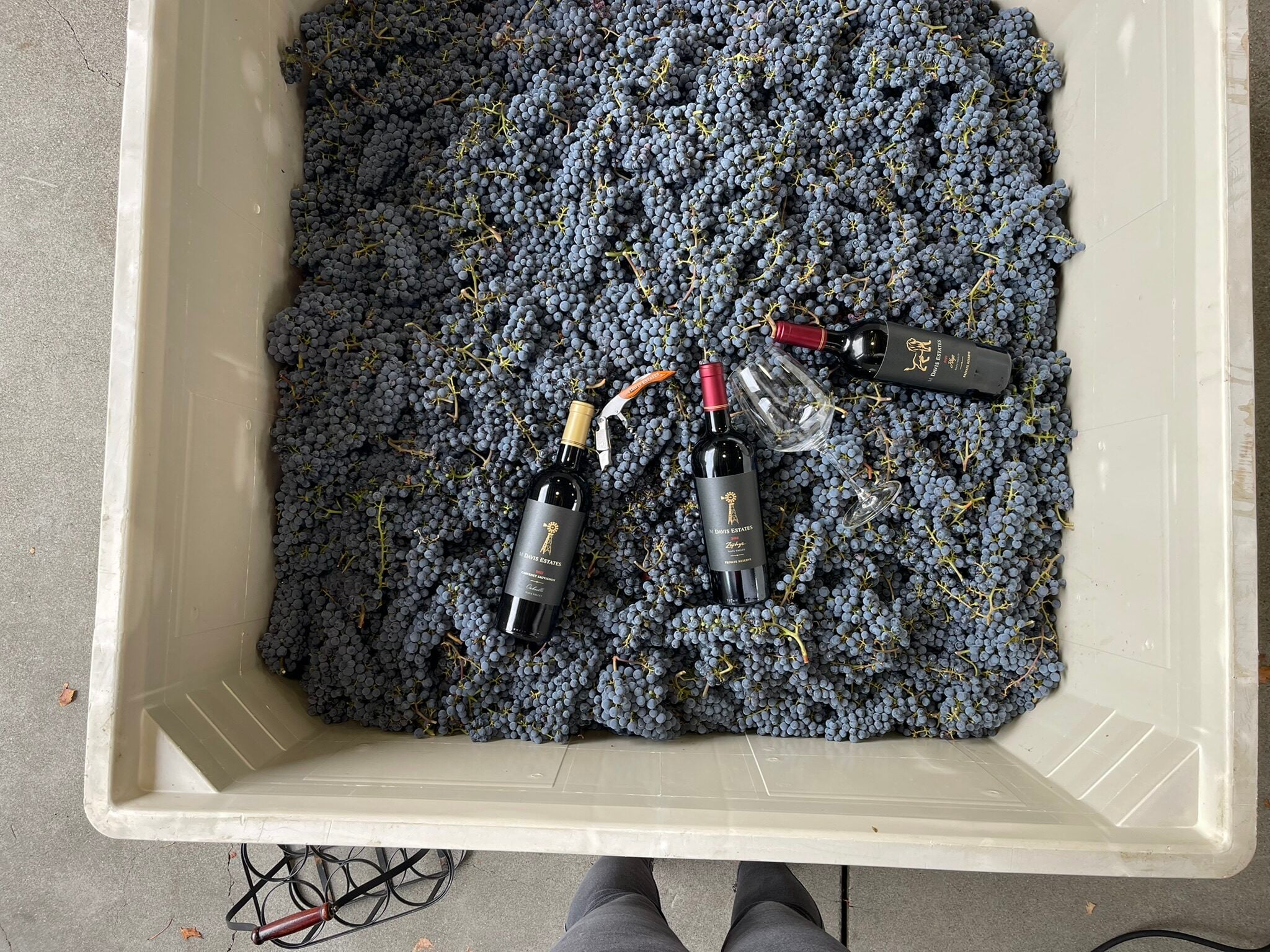
Over the course of harvest, fruit comes through the winery from different vineyards, elevations and corners of Napa Valley. The name on the grape may be the same. What arrives in those bins is not. Some Cabernet comes in with dark, powerful fruit and serious structure. Another site may give us brighter aromatics, different tannins or a completely different sense of freshness. Pick dates can vary. Berry size can vary. Even the way the fruit feels and tastes straight off the vine can tell a different story.
That is terroir in the least romantic way possible: you can see it sitting in a harvest bin. And once those wines make it into the bottle, you can taste it too.
One Valley. A Lot of Different Neighborhoods.
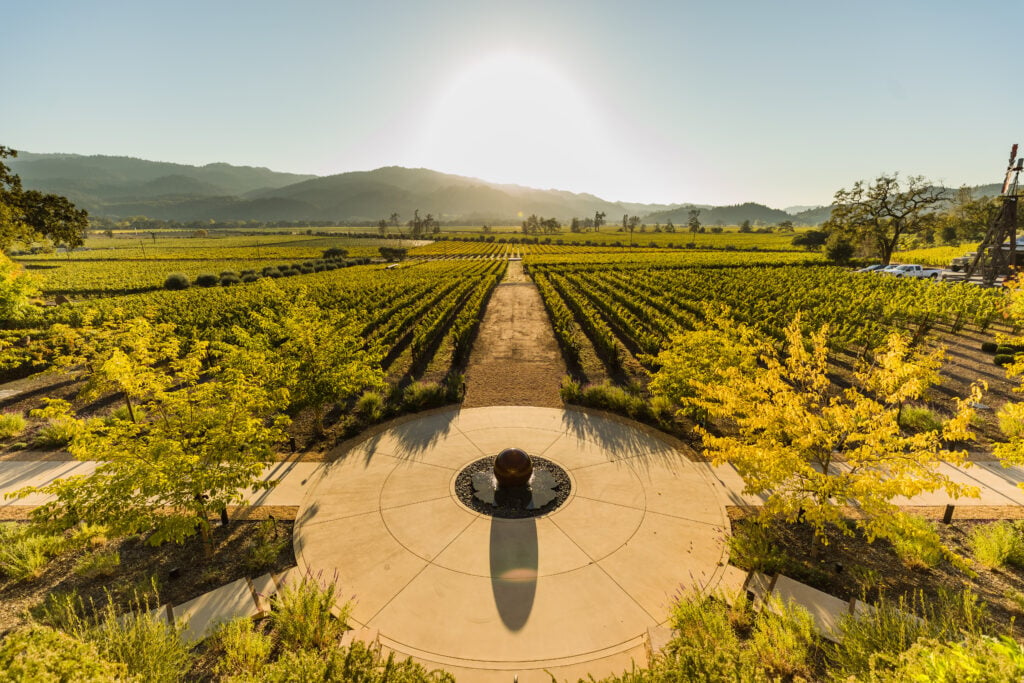
Napa Valley is only about 30 miles long, but treating it as one uniform place to grow Cabernet would be a little like saying every neighborhood in San Francisco has the same weather. It does not take many miles for things to change.
Napa Valley is divided into American Viticultural Areas, or AVAs, that recognize distinct growing areas. Elevation changes. Soils change. Mountains alter sun and wind exposure. Fog reaches some places more easily than others. Daytime highs and nighttime lows can vary considerably from one end of the valley to another. Cabernet Sauvignon responds to all of it. That is why two bottles can both say Napa Valley Cabernet Sauvignon and still taste remarkably different.
Start With Temperature
Cabernet needs warmth to ripen, but how that warmth arrives matters. Calistoga, our home at the northern end of Napa Valley, is known for warm days. Then temperatures can drop significantly at night. That swing helps grapes develop ripe flavor while retaining the acidity that keeps a finished wine from feeling heavy or flat.
Move elsewhere in Napa and the equation changes. Cooler conditions can slow ripening. Mountain sites may sit above some of the valley’s fog and receive sunlight differently. Vineyard orientation can change how much afternoon heat the vines experience. None of these is automatically better. They are different sets of ingredients.
Then Add Elevation
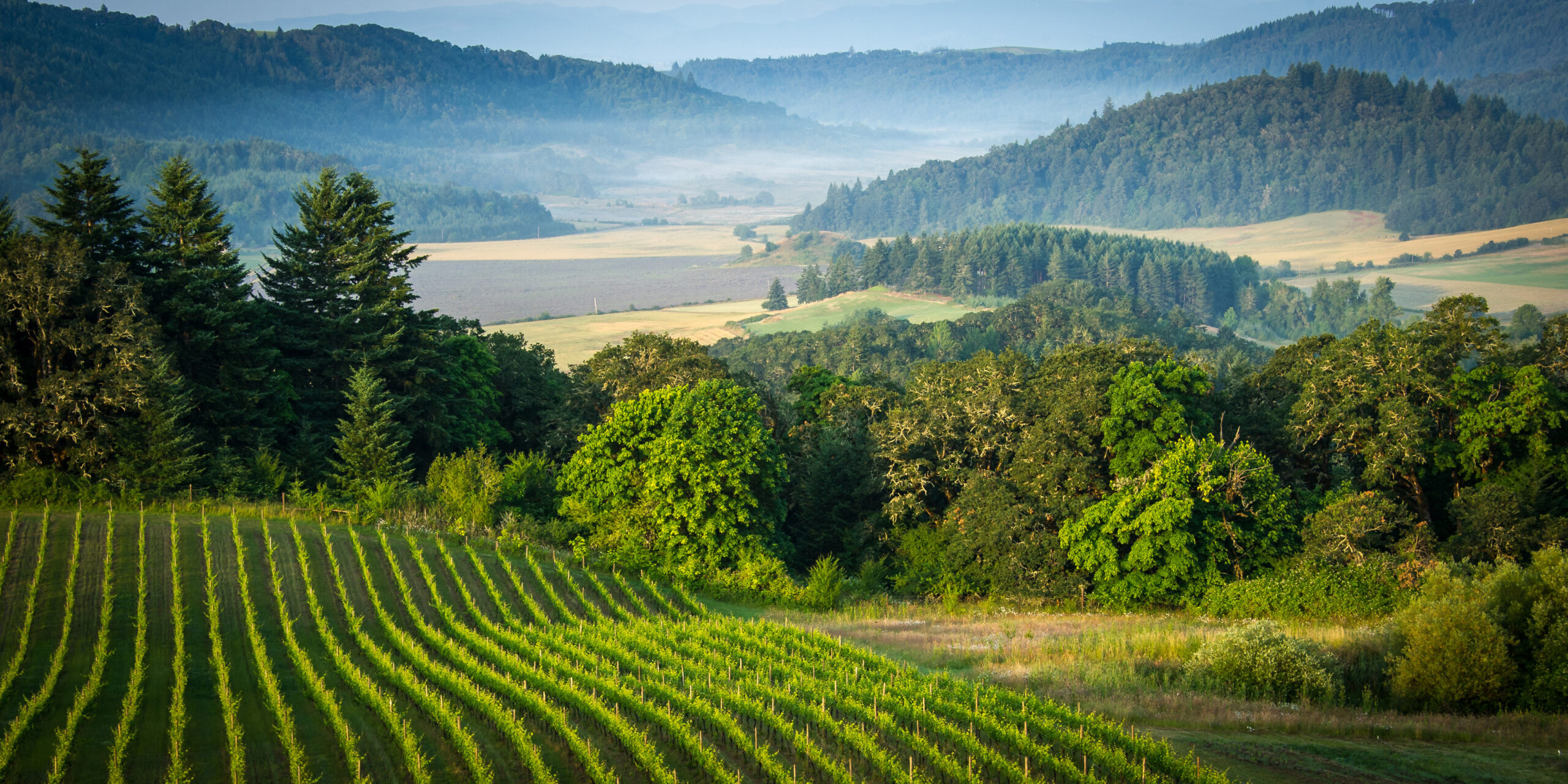
Elevation is one of the easiest differences to understand once the wines are sitting next to each other. Compare valley-floor Cabernet with mountain Cabernet and you may notice differences in structure, tannin, concentration and texture. Mountain vines often grow in thinner, less fertile soils and work harder for water and nutrients. That can mean smaller berries and a higher ratio of skin to juice, which matters because so much of Cabernet’s color, tannin and flavor comes from the skins.
Howell Mountain is a great example in our own world. Put a Howell Mountain Cabernet next to Cabernet from another Napa AVA and you do not need a geology degree to notice that something changed. The fun part is figuring out what you notice first.
Soil Matters, But Not Quite the Way People Think
Soil gets a lot of attention in wine, sometimes to the point where it sounds as though a grapevine is somehow sucking up rocks and putting them directly into your glass. That is not what is happening.
Soil influences how vines grow. Drainage, water availability, depth, fertility and the way roots move through a site all affect vine vigor and fruit development. Napa Valley has an unusually complicated mix of volcanic, alluvial and sedimentary soils, and those differences help create very different growing conditions within a relatively small area.
When someone describes a Cabernet as rocky, mineral or earthy, they are describing what they perceive in the wine, not reporting that there is a little Howell Mountain in the bottom of the bottle. Probably for the best.
Harvest Makes the Differences Impossible to Ignore
This is where our September harvest story and this one meet. During harvest, AVA differences stop being theoretical. The fruit does not all ripen on the same day simply because the calendar says it is Cabernet season.
One vineyard may be ready while another needs more time. One block may be developing flavor quickly while another still has seeds, skins or acidity telling the winemaking team to wait.
That is why harvest at Davis Estates lasts for months. Fruit arrives when the vineyard says it is ready, not when it would be convenient for the cellar schedule.
By the end of harvest, the winery has received a collection of snapshots from across the growing season and across Napa Valley. Same grape variety. Different places. Different timing. Different raw material.
The Winemaking Team Is the Constant
This is where tasting Cabernet from different AVAs at Davis Estates gets especially interesting.
When you compare wines made by completely different wineries, you are comparing more than vineyards. You are also comparing winemaking styles, barrel programs, picking decisions and dozens of other choices.
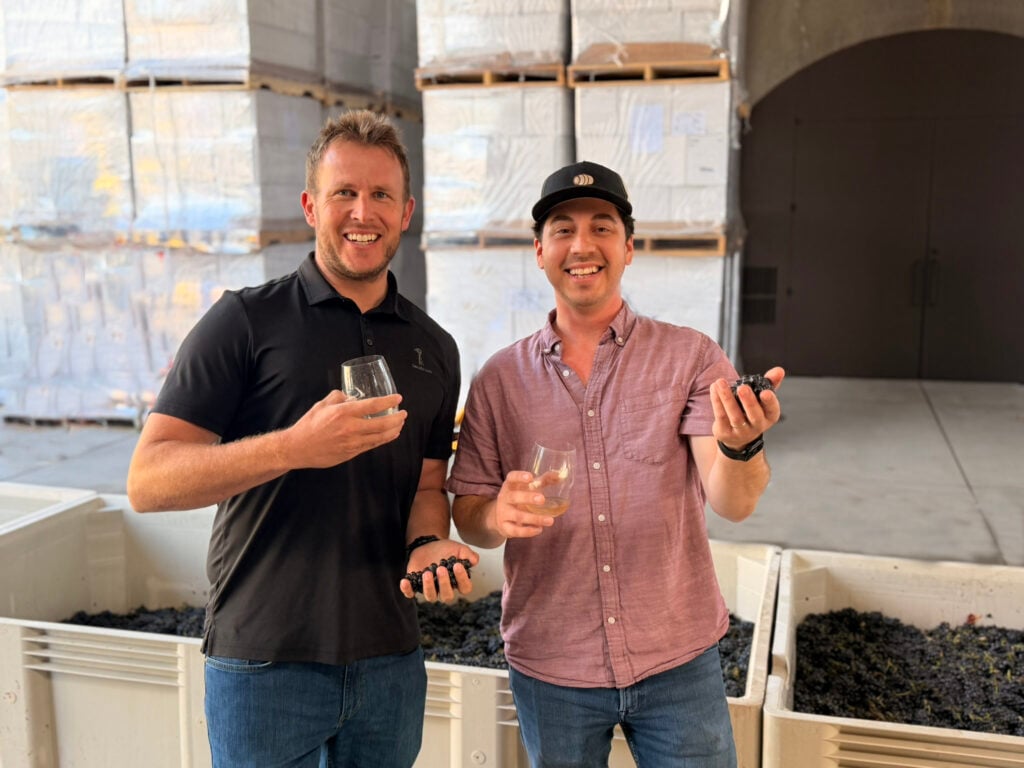
With our Cabernets, the winemaking team becomes one of the constants. That lets place come into sharper focus. The goal is not to make every Cabernet taste the same. Quite the opposite. Great fruit from different sites should be allowed to show some personality. The winemaking decisions still matter enormously, but they are made in response to what each vineyard gives us. Same grape. Same winemaking team. Different place. That is a pretty fascinating tasting experiment.
A Little-Known Davis Fact
You do not have to take our word for any of this. Our Cabernet Sauvignon AVA Experience was created so guests can taste these differences for themselves. Cabernet Sauvignon is the common thread, while the AVA changes from glass to glass.
Instead of reading a list of soil types or memorizing elevations, you get to do the much more useful thing: put the wines next to each other and taste. You may notice the tannins first. Someone else at the table may pick up a difference in fruit, aromatics, texture or finish. Neither of you has to be wrong. That is one of our favorite things about wine. Place matters, but so does the person holding the glass.
You Don’t Need to Be a Wine Expert
There is a tendency to make terroir sound like something you need to study before you are allowed to have an opinion. You don’t.
If one Cabernet feels broader and more powerful while another seems more lifted or aromatic, you have already found a difference. If you simply like one more than another, that is useful too.
The point of tasting wines side by side is not to pass a test. It is to give your palate context. Once you experience Cabernet this way, AVA stops being a small piece of type on a wine label. It becomes part of the story inside the bottle.
Same Grape. Different Conversation.
Harvest gives us the first look at these differences. Years later, the bottle gives you yours.
Cabernet Sauvignon may connect the wines, but the vineyards shape their personalities long before the fruit reaches the cellar. Temperature, elevation, soil, exposure, farming and timing all leave their fingerprints. And that is what makes Napa Valley so interesting.
You can travel a relatively short distance, plant the same grape and end up with a completely different conversation in the glass. Of course, we’d rather pour the conversation than explain it.
That is what the Cabernet AVA Experience is for. Come taste the difference for yourself!