
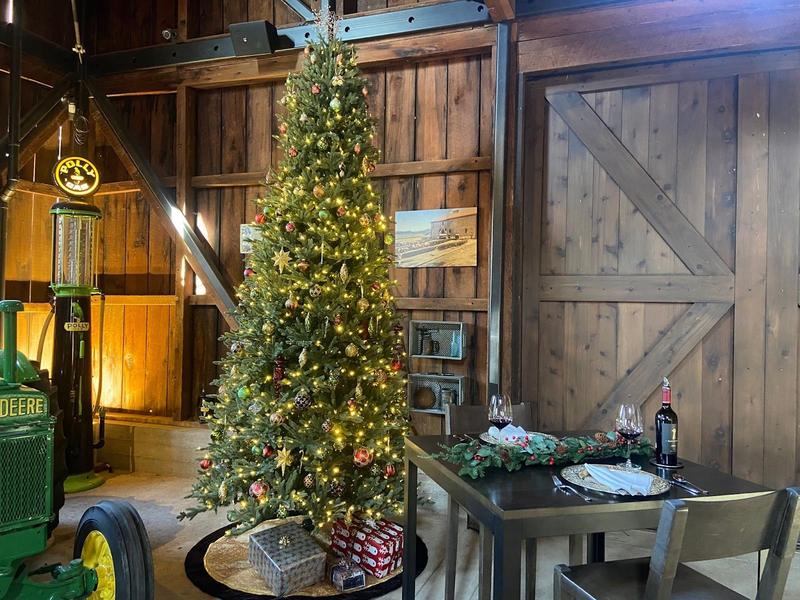
How to Host a Holiday Wine Dinner at Home
There’s something magical about bringing Christmas and wine together around your own dining table. Last year, one of our Davis Estates members told us about hosting their first holiday wine dinner, and how nervous they’d been about getting everything “perfect.” By dessert, they realized their guests didn’t care about perfection. They cared about the thoughtfulness, the laughter, and those little moments when a wine and dish came together so beautifully that conversation paused mid-sentence. That’s what we’re after here.
Hosting a wine dinner sounds intimidating, especially during the already chaotic holiday season. But here’s the truth: it’s mostly about planning and keeping things simpler than you think. You don’t need a culinary degree or a wine cellar that would make collectors jealous. You just need good ingredients, decent wine, and the willingness to create an experience that feels special without being stuffy.
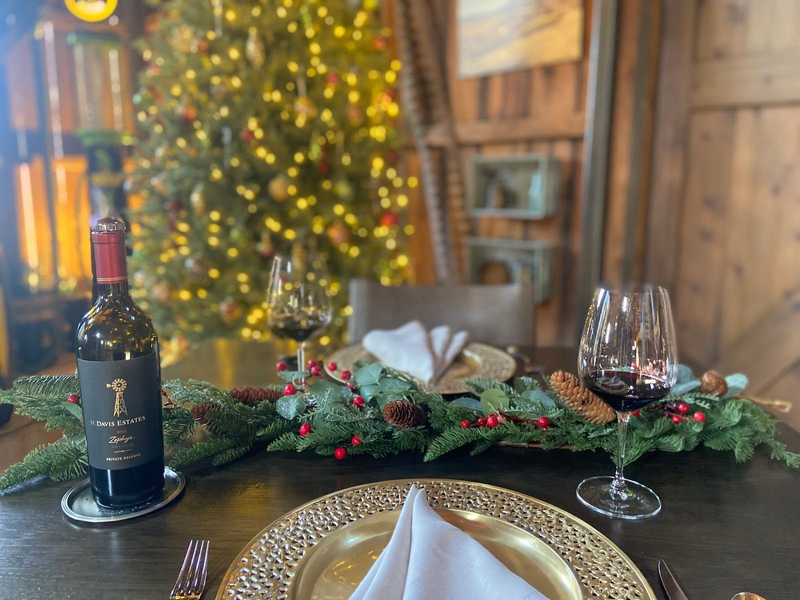
Planning Your Holiday Wine Dinner Menu
Start with your wines or start with your food? Honestly, either approach works, but we’ve found it easier to begin with a general menu concept and then find wines to match. Think about holiday wine menu classics that you actually enjoy cooking, not dishes that will stress you out. A wine dinner should showcase thoughtful pairings, but it doesn’t require molecular gastronomy or techniques you’ve never tried before.
Consider the progression: something light and bright to start, building to richer, more complex dishes, then finishing with something sweet or indulgent. Your holiday wine dinner ideas might include a first course of winter salad with citrus and nuts, followed by soup, a fish or pasta course, the main protein, and ending with dessert. Five courses sound like a lot, but when portions are small and well-paced, it creates this lovely rhythm that lets people actually taste and appreciate everything.
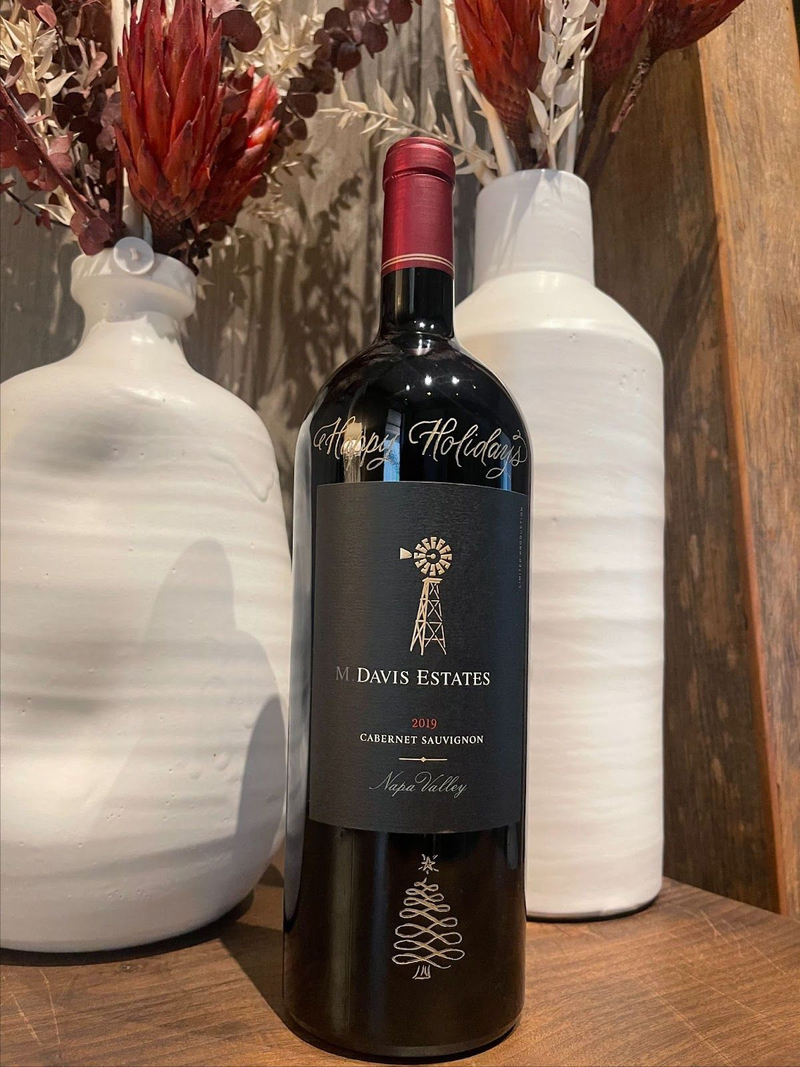
Selecting Wines for Each Course
Here’s where Christmas wine pairing gets fun. You’re telling a story through your wine selection, starting light and building to fuller, bolder wines as the evening progresses. Begin with sparkling wine or crisp white for appetizers. These wines wake up the palate and set a celebratory tone that says “this is special” without being pretentious.
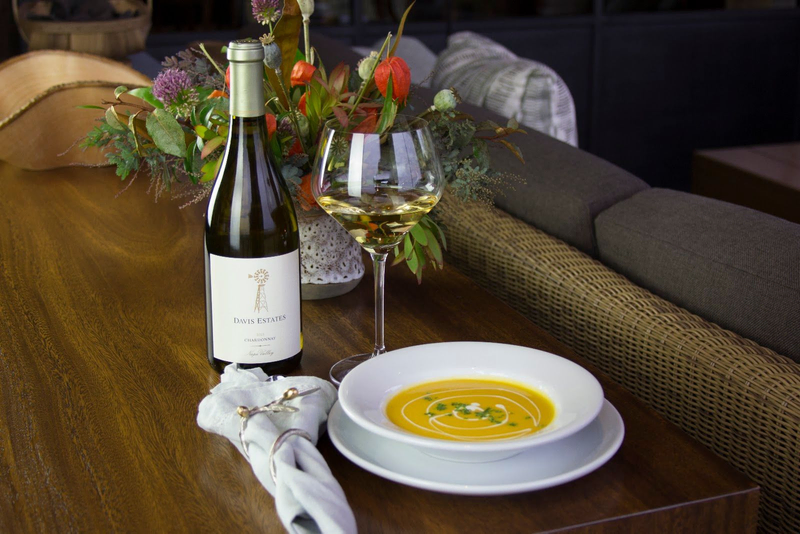
For your soup or salad course, a medium-bodied white works beautifully. Chardonnay if you’re going rich and creamy, Sauvignon Blanc if you’re staying bright and acidic. The fish or pasta course opens up more options depending on preparation. A delicate fish preparation might call for something elegant and restrained, while a richer pasta dish can handle more body and oak. If you need inspiration for dishes that pair beautifully with wine, you’ll find plenty of ideas that work for multi-course dinners.
Creating the Right Atmosphere
Let’s talk about the stuff that isn’t food or wine but matters just as much. Lighting sets the entire mood for your festive dinner party tips session. Dim overhead lights, bring out candles, add some string lights if you’re feeling festive. You want people to relax, not feel like they’re under interrogation lighting. Soft, warm light makes everyone look better, feel more comfortable, and encourages the kind of lingering conversation that makes dinner parties memorable.
Music should be there, but not demanding attention. Create a playlist that matches your dinner’s pacing: something upbeat but gentle for when guests arrive, mellowing slightly as dinner progresses. Volume matters more than genre. If people need to raise their voices to be heard, turn it down. Background music should enhance the atmosphere, not compete with conversation.
Setting Up for Success
The day before your wine dinner, do as much prep as possible. Make soups, prepare salad dressings, chop vegetables, and set the table. Hosting a wine dinner becomes exponentially easier when you’re not trying to do everything in real-time while guests are arriving. We’ve learned this through trial and error at Davis Estates events: the hosts who look relaxed and happy are the ones who front-loaded their work.
Set your table the night before. Choose your serving pieces, figure out your plating, and test your wine glass situation to make sure you have enough. Nothing kills momentum like realizing mid-dinner that you don’t have the right size bowls, or you’re three wine glasses short. These logistical details seem boring until they become problems, so handle them when there’s no pressure.
Pacing Your Wine Dinner
Timing makes or breaks a multi-course dinner. Plan for about 20 to 30 minutes per course, which gives you roughly two and a half to three hours for a five-course meal. That’s not including pre-dinner drinks and appetizers, which might add another 30 to 45 minutes. Yes, it’s a commitment, but that leisurely pace is exactly what makes a wine dinner feel special instead of rushed.
Build in buffer time between courses. You need moments to clear plates, pour new wines, and let conversation breathe. These transitions also give guests’ palates a chance to reset before the next pairing. Some of the best conversations happen in these in-between moments when everyone’s relaxed, and the pressure of the next course hasn’t arrived yet.
Wine Service and Presentation
Here’s something that elevates your wine-themed Christmas party: present each wine intentionally. As you pour, mention the winery, the varietal, and maybe one interesting fact about why you chose it for this particular dish. You’re not lecturing. You’re sharing your thought process, which makes guests feel included in the experience rather than just being served.
Serve wines at proper temperatures. Whites should be chilled but not ice-cold, reds slightly cool but not warm. If you’re pulling wines from different storage areas, think about timing so each wine reaches the right temperature as its course arrives. Small details like this show care and genuinely improve how the wines taste. If you’re curious about how professional experiences handle this kind of service, checking out wine country tour approaches might give you ideas.
Handling the Unexpected
Something will probably go wrong, and that’s fine. A dish might take longer than expected, a wine might not pair as well as you hoped, and someone might accidentally knock over a glass. The best hosts roll with these moments instead of letting them derail the evening. Have a backup plan for every course: something you can quickly pull together if the main plan fails.
Keep extra wine on hand beyond what you planned. If a pairing isn’t working, quietly switch it out. If guests are particularly enjoying one wine, you might want to pour a bit more. Flexibility makes you look confident and thoughtful rather than rigid and stressed. Your guests will remember your grace under pressure more than they’ll remember any minor mishaps.
Advanced Pairing Techniques
Once you’ve mastered basic wine dinner hosting, you might want to explore more sophisticated combinations. Think about textural contrasts, not just flavor matches. A crispy-skinned fish with a creamy wine creates interesting mouthfeel layers. Sweet and savory combinations can surprise and delight when done thoughtfully. For deeper exploration of complex pairing strategies, there’s always more to learn about how flavors interact.
Consider regional pairings where wine and food come from the same area. Italian wines with Italian-inspired dishes, French wines with French techniques. These combinations often work because they evolved together over centuries. Plus, it gives you a theme to organize your menu around, which simplifies planning and creates a cohesive story throughout the evening.
Making It Personal and Memorable
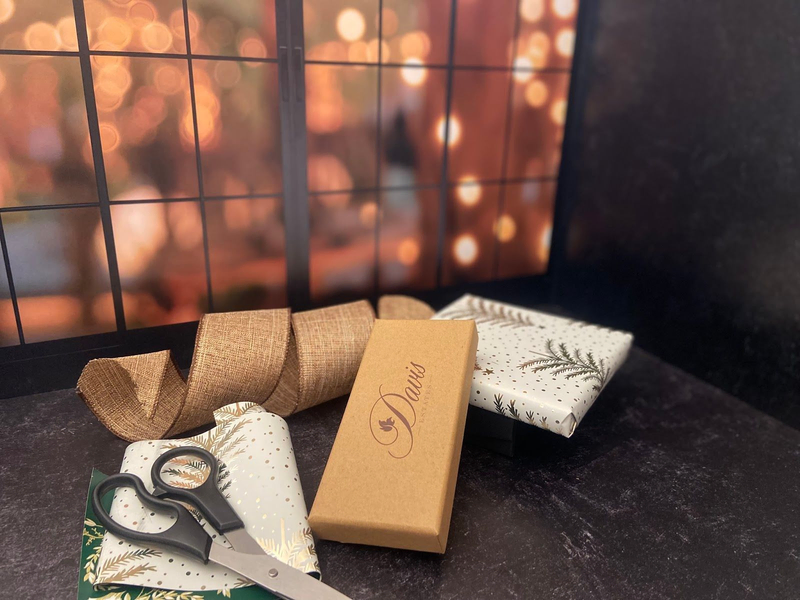
The dinners people remember aren’t necessarily the ones with the most expensive wines or the most technically perfect food. They’re the ones where the host clearly put thought into creating an experience. Maybe you include handwritten menu cards at each place setting. Maybe you share a story about why you chose a particular wine. Maybe you ask each guest to share their favorite holiday memory between courses.
These personal touches transform a meal into an event. They show your guests that this wasn’t just dinner, it was an evening you crafted specifically for them. That intention and care create the kind of warmth that makes people feel genuinely special, which is really what holiday entertaining should be about.
Your Invitation to Continue Learning
Hosting a holiday wine dinner gets easier and more enjoyable with practice. Your first attempt might feel nerve-wracking, but by your second or third, you’ll start to develop your own style and rhythm. The confidence that comes from successfully pulling off a complex dinner party is genuinely satisfying, and your guests will appreciate the effort you put into creating something memorable.
We’d love to help you prepare for your next wine dinner with insights and inspiration. Visit Davis Estates, where we can discuss pairing strategies, wine selection, and all those little details that transform a good dinner into an unforgettable evening. Bring your menu ideas, your questions, and your enthusiasm. We’ll help you create something truly special.